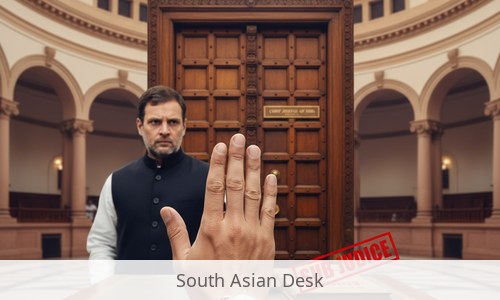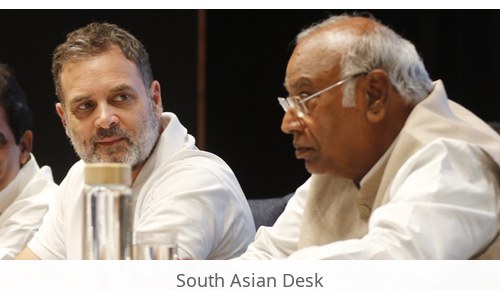
On August 25, 2026, Mallikarjun Kharge and Rahul Gandhi wrote a letter to Prime Minister Narendra Modi requesting the cancellation of the current caste census questionnaire. The letter emphasizes the need for a more accurate and verified approach to the caste census, which has sparked renewed debate over data collection methods and their implications for policy-making and social justice.
caste census questionnaire: Political Implications
The leaders’ request highlights concerns about the accuracy of the existing questionnaire, which they argue may misrepresent caste demographics. Their proposal to prepare a new questionnaire based on a verified list of castes has drawn reactions from various political factions. While some view the move as a step toward more precise data collection, others question the timing and motivations behind the request. The Indian Express and The Hindu report that the letter underscores ongoing tensions between political parties over how caste data is gathered and utilized.
The debate over the caste census questionnaire has long been a contentious issue in Indian politics, with differing views on its necessity and methodology. Critics argue that the current approach may inadvertently reinforce social divisions by categorizing communities in ways that perpetuate stereotypes. Supporters, however, contend that a revised questionnaire could better serve the needs of marginalized groups by ensuring their representation is accurately captured. The proposed cancellation of the existing questionnaire has reignited discussions about the role of caste data in shaping affirmative action policies, resource allocation, and social equity programs.
The timing of the Kharge Gandhi letter has also raised questions about its strategic implications. Some analysts suggest that the request could be seen as an attempt to recalibrate the census framework to align with evolving socio-political priorities. Others caution that the process of revising the questionnaire may take time, potentially delaying critical data collection efforts that inform national planning and development initiatives.
Historical Context
The debate over caste representation India in the census is not new. Past discussions have centered on balancing accurate data collection with the risk of reinforcing social divisions. Kharge and Gandhi’s letter fits into this broader narrative, reflecting long-standing concerns about the methodology of caste enumeration. Critics argue that the current approach may inadvertently perpetuate stereotypes, while supporters contend that a revised questionnaire could better serve the needs of marginalized communities.
Historically, the inclusion of caste in the census has been a sensitive issue, with periodic reviews and modifications to the enumeration process. The 1931 census was the last to include caste data, and subsequent censuses omitted it due to concerns about social stratification and administrative complexity. The reintroduction of caste enumeration in the 2011 census marked a significant shift, aiming to address disparities in education, employment, and political representation. However, the methodology has remained a subject of debate, with periodic calls for refinement to ensure both census accuracy and inclusivity.
The implications of this debate extend beyond statistical accuracy. Accurate caste data is crucial for the implementation of affirmative action policies, such as reservations in education and employment, which are designed to uplift historically marginalized groups. Inaccurate or incomplete data could undermine these policies, leading to inequities in resource distribution and representation. Conversely, a well-structured questionnaire could enhance the effectiveness of such policies by ensuring that they are based on reliable and up-to-date information.
The PM Modi caste census has been a focal point of recent discussions, with the proposed changes to the caste census questionnaire reflecting broader political dynamics. The political implications caste of these changes are significant, as they could influence how caste data is used in policy formulation and social equity initiatives.
Published in SouthAsianDesk, 2026-08-25.
Follow SouthAsianDesk on X, Instagram and Facebook for insights on business and current affairs from across South Asia.
Sources
- ‘Scrap misleading questionnaire’: Kharge, Rahul Gandhi write to PM Modi on caste census – indianexpress.com
- Rahul Gandhi, Kharge write letter to PM Modi; asks for current census questionnaire to be cancelled – thehindu.com
Image: images.indianexpress.com