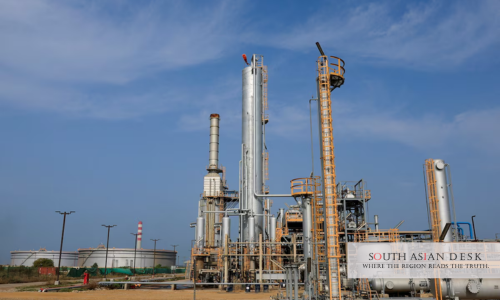
Cnergyico US crude imports have expanded significantly as Pakistan’s largest refiner moves to diversify the country’s energy supply following disruptions linked to the war in Iran, which exposed the extent of Islamabad’s dependence on Gulf shipping routes. The Karachi based refiner has been steadily increasing its purchases of American crude over the past year as part of a broader strategy to reduce reliance on a single supply corridor.
Scale of the Shift TowardCnergyico US Crude Imports
According to Cnergyico Vice Chairman Usama Qureshi, the refiner imported about 8.1 million barrels of US crude over nine months, including 7.1 million barrels worth roughly 750 million dollars in the fiscal year ended June. The company first began purchasing US crude last year, and the pace of those purchases has since accelerated considerably.
Qureshi told Reuters that Cnergyico is also weighing a mix of spot purchases alongside longer term contracts with Vitol and other suppliers, with decisions guided by pricing, reliability and supply security. Pakistan’s overall payments for US imports rose by 914 million dollars to 3.27 billion dollars in that fiscal year, according to central bank data, with Cnergyico’s purchases accounting for approximately 80 percent of that increase.
Why Pakistan Is Diversifying Away from Hormuz
Pakistan has traditionally sourced most of its oil from Saudi Arabia and the United Arab Emirates, with roughly 90 percent of its oil and liquefied natural gas imports passing through the Strait of Hormuz before the recent disruptions began. The narrow waterway has long been considered a vulnerable choke point for global energy supply, and instability linked to the Iran war has intensified concerns in Islamabad about relying so heavily on a single route.
Rising fuel costs stemming from these disruptions have added pressure on the Pakistani government to act, particularly as a fresh round of public protests against inflation and fuel prices erupted this week. In response, Islamabad has also pursued alternative routes, including Saudi crude shipped via Yanbu on Saudi Arabia’s Red Sea coast, alongside the expanded US purchases.
Fawad Basir, head of research at KTrade Securities, said the disruptions in the Middle East had underscored the broader risks of depending on a single supply route for a commodity as critical as crude oil.
Trade Policy and Refinery Investment Plans
Beyond energy security, the shift toward US crude also serves Pakistan’s wider trade objectives. The government has been seeking to increase imports from the United States as a way to narrow its trade surplus with Washington and to help secure reductions in tariffs imposed by President Donald Trump. Qureshi said Cnergyico could increase its US crude purchases further if a proposed EXIM Bank trade finance facility, pitched to Washington last month, is extended to the company. The facility would allow Pakistani buyers to defer payments to US exporters for up to three years.
Alongside its import strategy, Cnergyico is pursuing a 1.2 billion dollar upgrade of its refining operations to meet Euro V fuel standards, reduce furnace oil output and expand refining capacity to about 200,000 barrels per day. Qureshi said the company is also evaluating a second offshore mooring linked to its storage network, which would allow it to import and export refined products using large tankers positioned outside Karachi’s constrained port facilities.
A Broader Reassessment of Supply Routes
The expansion in Cnergyico US crude imports reflects a wider reassessment underway across Pakistan’s energy sector, as both government and industry weigh the risks of continued dependence on Gulf shipping lanes against the practical and commercial benefits of diversifying toward American suppliers. With trade policy considerations reinforcing the case for closer energy ties with the United States, further increases in US crude purchases appear likely in the months ahead, particularly if financing arrangements such as the proposed EXIM facility materialise.
Published in SouthAsianDesk, August 18th, 2026
Follow SouthAsianDesk on X, Instagram and Facebook for insights on business and current affairs from across South Asia.