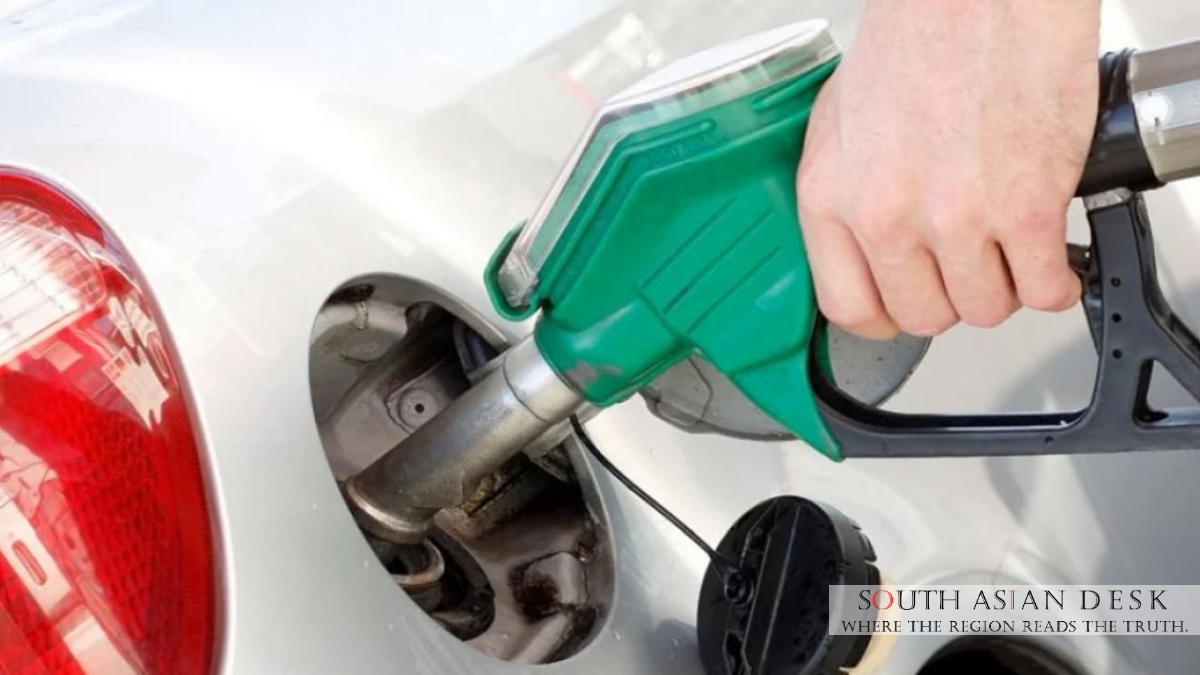
Ethanol-blended petrol containing 22% to 30% ethanol will be exempt from excise duty in India, according to a government notification, as New Delhi pushes wider use of cleaner fuels.
India, the world’s third-largest oil importer and consumer, has been working to increase ethanol blending in petrol to reduce dependence on crude oil imports and support domestic biofuel production.
The latest duty waiver is aimed at encouraging higher ethanol blends beyond the existing E20 fuel mix, which contains 20% ethanol and 80% petrol.
The move comes as India continues to promote biofuels as part of its broader fuel policy and energy security strategy.
Ethanol-Blended Petrol Exempted From Excise Duty
Ethanol-blended petrol with 22% to 30% ethanol will now be exempt from excise duty under the latest government notification.
The waiver applies to higher ethanol blends, including petrol mixtures above the standard 20% ethanol level.
By removing excise duty, the government is seeking to make higher ethanol fuels more attractive for oil companies, fuel retailers and consumers.
The policy could also support India’s efforts to gradually expand fuel options for vehicles capable of handling higher ethanol content.
India Pushes Higher Ethanol Petrol
India has already moved toward wider use of ethanol in transport fuel, with E20 petrol becoming a major part of its fuel strategy.
The government has promoted ethanol blending to cut oil imports, reduce emissions and create additional demand for crops used in ethanol production.
Higher ethanol petrol, including blends between E22 and E30, could become an important next step if vehicle compatibility, supply chains and pricing support wider adoption.
The excise duty waiver may help create a financial incentive for the sale and distribution of these fuels.
Why The Excise Duty Waiver Matters
The excise duty waiver matters because taxes form a major part of fuel pricing in India.
Removing duty on petrol with 22% to 30% ethanol could make higher ethanol blends more competitive compared with conventional petrol.
For oil marketing companies, the waiver may reduce the cost of introducing new fuel grades.
For consumers, the impact will depend on how the savings are passed on at the pump and whether suitable vehicles are available.
Biofuels Central To India’s Fuel Policy
Biofuels have become central to India’s efforts to reduce reliance on imported crude oil.
Ethanol is mainly produced from sugarcane-based feedstocks, grains and other agricultural sources, linking fuel policy with India’s farming economy.
The government says higher ethanol blending can lower the import bill, support farmers and reduce carbon emissions from transport fuel.
However, expanding ethanol use also requires careful planning around feedstock supply, food security, vehicle compatibility and fuel quality.
Vehicle Compatibility Remains Key Issue
One of the main challenges for higher ethanol-blended petrol is vehicle compatibility.
Many vehicles are designed for specific ethanol limits, and higher blends may require engines, fuel systems and materials that can safely handle increased ethanol content.
India has been promoting flex-fuel vehicles, which can operate on higher ethanol blends.
The success of E22 to E30 petrol will depend on how quickly automakers, fuel retailers and regulators align around fuel standards and vehicle readiness.
India Looks To Cut Crude Oil Dependence
India’s ethanol policy is closely tied to its goal of reducing crude oil imports.
As a major oil importer, India remains exposed to global price shocks, supply disruptions and currency pressures.
Higher ethanol blending can reduce the share of petrol derived from crude oil, helping improve energy security.
The latest excise duty waiver is therefore not only a tax measure but also part of a wider effort to reshape India’s transport fuel mix.
Higher Ethanol Fuels Could Gain Ground
The decision to waive excise duty on ethanol-blended petrol between 22% and 30% could help prepare the market for wider adoption of higher biofuel blends.
If supported by vehicle compatibility, reliable ethanol supply and clear pricing, the policy may encourage fuel companies to expand higher ethanol petrol offerings.
For now, the waiver signals that India is moving beyond E20 and preparing for a broader shift toward cleaner and more domestically supported transport fuels.
Published in SouthAsianDesk, June 11, 2026
Follow SouthAsianDesk on X, Instagram and Facebook for insights on business and current affairs from across South Asia.