Ethanol diversion sugar prices have been a topic of debate, but the Indian government has clarified that the surge in sugar prices cannot be attributed to the diversion of sugarcane for ethanol production. On August 22, 2026, officials confirmed that factors such as crop damage and increased demand during festivals are the primary drivers of the price hike, not ethanol policies. According to The Indian Express, this clarification comes amid rising concerns over food prices in India, particularly as the country approaches major festivals that typically see increased sugar consumption.
The Hindu reports that the government is closely monitoring the sugar price situation and has promised measures to alleviate the burden on consumers. The issue has sparked debate among policymakers, economists, and agricultural stakeholders, with some questioning the role of ethanol policies in the broader context of India’s food security and energy transition strategies.
Ethanol diversion sugar prices: Factors Contributing to Sugar Price Hike
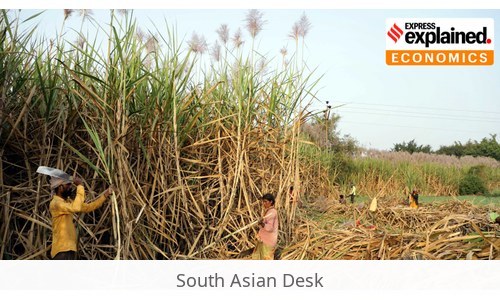
The Indian Express highlights that crop damage has significantly affected sugar production, leading to a dip in output. This reduction in supply, coupled with increased demand during festival seasons, has contributed to the price increase.
The Hindu notes that the government attributes the price hike to these factors rather than ethanol diversion policies. Sugarcane cultivation, a cornerstone of India’s agricultural economy, has faced challenges due to erratic monsoon patterns and shifting weather conditions, which have disrupted planting and harvesting cycles. In addition, the government’s push for ethanol blending in fuel—aimed at reducing oil imports and cutting carbon emissions—has been a point of contention. However, officials emphasize that the policy’s impact on sugar production is minimal compared to the broader agricultural disruptions.
The role of festivals in driving demand cannot be overstated. During Diwali, Holi, and other major celebrations, sugar consumption spikes as it is integral to traditional sweets and rituals. This seasonal demand, combined with a shrinking supply due to lower production, has created a perfect storm for price volatility. Industry analysts note that while ethanol diversion has been a long-term policy, its effects on sugar prices are not immediate or linear. The government’s data shows that ethanol production accounts for less than 10% of total sugarcane output, a figure that has remained stable over the past five years. This suggests that the current price surge is more closely tied to short-term agricultural shocks than to structural policy shifts.
The government’s ethanol policy, which mandates a 20% ethanol blend in gasoline, has been defended as a necessary step toward energy independence. However, critics argue that the policy’s implementation has been uneven, with some states facing logistical challenges in sourcing ethanol from sugarcane mills. To address this, the government is exploring incentives for farmers to grow dedicated energy crops, which could reduce pressure on sugarcane production for both sugar and ethanol. This dual-use strategy, if successful, may help balance the demands of the food and energy sectors without compromising either.
Government Response and Measures
The government has assured that it is taking steps to address the rising sugar prices. The Hindu states that monitoring of the sugar price situation is ongoing, and the government is committed to implementing measures to ensure affordability for consumers. These efforts include evaluating production levels and demand trends to stabilize the market. Officials have hinted at potential interventions, such as releasing buffer stocks from the Food Corporation of India (FCI) or adjusting export duties to curb price speculation. Additionally, the Ministry of Food Processing Industries has initiated talks with state governments to expedite the distribution of subsidized sugar to low-income households.
The government’s ethanol policy, which mandates a 20% ethanol blend in gasoline, has been defended as a necessary step toward energy independence. However, critics argue that the policy’s implementation has been uneven, with some states facing logistical challenges in sourcing ethanol from sugarcane mills. To address this, the government is exploring incentives for farmers to grow dedicated energy crops, which could reduce pressure on sugarcane production for both sugar and ethanol. This dual-use strategy, if successful, may help balance the demands of the food and energy sectors without compromising either.
Implications for Consumers and Market
Increased sugar prices may impact consumer behavior during festivals, as households may seek alternatives to manage costs. Long-term trends in sugar production could be influenced by climate factors, which the government is also monitoring. The Indian Express emphasizes that while ethanol diversion is not the primary cause, sustainable agricultural practices and climate resilience are critical for future stability. The price hike has already led to a rise in the cost of packaged goods, from biscuits to soft drinks, which could ripple through the retail sector and affect inflation rates.
For the agricultural sector, the current crisis underscores the need for diversification and investment in climate-smart farming techniques. Sugarcane farmers, who are particularly vulnerable to weather fluctuations, may benefit from government-backed crop insurance schemes or subsidies for irrigation infrastructure. Meanwhile, the sugar industry is under pressure to modernize its supply chains, with some mills investing in technology to improve efficiency and reduce waste. These measures could help mitigate future price shocks and ensure a more stable market.
The situation also highlights the broader challenges of balancing food security with energy transition goals. As India continues to expand its ethanol program, policymakers must ensure that the agricultural sector remains resilient to external shocks. This includes fostering collaboration between farmers, processors, and regulators to create a more adaptive and equitable system. The government’s ability to navigate these competing priorities will be crucial in maintaining both economic stability and public trust.
The Indian government’s intervention in the sugar market has been a key factor in addressing the current price surge. By releasing buffer stocks and adjusting export duties, officials aim to stabilize sugar prices India and ensure affordability for consumers. However, the underlying sugar production factors, such as crop damage and erratic weather, remain critical challenges that require long-term solutions. The government’s focus on climate-smart agriculture and crop insurance schemes reflects its commitment to addressing these issues.
The government’s ethanol diversion sugar prices policy has been a subject of scrutiny, but the current price surge is more closely linked to sugar production factors like crop damage and festival demand sugar. As the government continues to monitor the situation, its intervention in the sugar market remains a vital component of its strategy to manage sugar prices India effectively.
Follow SouthAsianDesk on X, Instagram and Facebook for insights on business and current affairs from across South Asia.
Sources
- Why ethanol diversion is not to blame for soaring sugar prices – indianexpress.com
- Crop damage, production dip, and festival demand led to price hike, says govt. – thehindu.com
Image: images.indianexpress.com