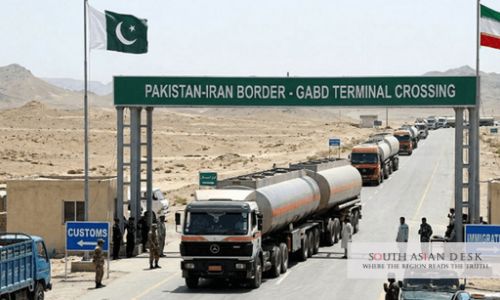
The Gabd border crossing between Pakistan and Iran reopened on Saturday, restoring bilateral commerce and allowing stranded trucks carrying liquefied petroleum gas (LPG) and essential food items to resume their journeys. The move ended a suspension that began on Oct 17 and had left hundreds of freight vehicles waiting on both sides of the frontier.
Which Consignments Have Been Cleared
Border officials permitted commercial consignments to cross at the Gabd-Rimdan point, known as Gate 250, in Gwadar district. Only goods accompanied by a consignment note dated Oct 16 or earlier were cleared, meaning the shipments that were caught in transit when the halt was imposed.
Mir Naveed Jan Kalmati, president of the Gwadar Chamber of Commerce and Industry, confirmed that operations resumed on Saturday morning. He said trucks and other vehicles were allowed to move in both directions with import and export goods. Mr Kalmati welcomed the decision and said it would bring immediate relief to traders and transporters stranded on either side.
Why the Gabd Border Crossing Matters for Energy Supplies
The Gabd border crossing lies between Rimdan in Iran’s Sistan province and Gabd in Pakistan’s Gwadar district, and it was officially inaugurated in 2020. In recent months it has become a significant channel for Iran trade. Dawn reported earlier this month that more than 4,000 tonnes of LPG were reportedly being imported through the route every day, making it an important source for meeting domestic energy needs. Exports of Pakistani goods, particularly rice, had also risen sharply and were generating millions of dollars in foreign exchange.
For that reason, the closure had raised concern among traders and energy sector sources. They warned that it could worsen the LPG shortage in Karachi and other parts of the country and push up prices in the open market. Mr Kalmati said the restored supply chain is expected to ease the nationwide LPG shortage and help reduce the rising cost of energy and food across Pakistan.
Background to the Suspension
Pakistan suspended trade with Iran on Oct 17 through both the Gabd-Rimdan and Taftan crossings. The Ministry of Commerce issued a memorandum withdrawing an earlier trade order dated Oct 3, with immediate effect. The directive did not state a reason for the halt.
Following the announcement, the Quetta Chamber of Commerce and Industry advised its members to stop placing new import and export orders until further notice. Local traders and the chamber cautioned that the disruption could cause heavy losses to the national exchequer, endanger livelihoods and contribute to an energy crisis. The Taftan route, Dawn noted at the time, was already experiencing disruptions amid unrest in Balochistan.
Security Concerns Preceded the Decision
The reopening followed a review of the security situation by local administrators, who deployed additional forces to protect trade convoys. The precaution came after an attack earlier in the week. On Thursday, unidentified gunmen targeted the backlog of freight vehicles parked near the closed crossing, setting dozens of trucks ablaze and damaging several others.
The vehicles had been stranded since Oct 17, which left them exposed while the border remained shut. The additional security measures are intended to prevent a repeat of such an incident as commercial traffic builds up again at the crossing.
What Remains Unclear
The latest report on the Gabd border crossing does not say whether the Taftan crossing has also resumed operations, and it does not explain why the Ministry of Commerce withdrew its trade order in the first place. Nor is it clear whether the Oct 3 order has been restored in full or whether new restrictions will apply to consignments dated after Oct 16. Traders who rely on the corridor will be watching for official clarification on these points.
For now, the resumption of movement at Gabd-Rimdan offers a measure of relief to an economy exposed to energy price pressures. Whether the crossing remains open without further interruption will depend largely on the security arrangements in Gwadar and on the policy position of the federal government.
Follow SouthAsianDesk on X, Instagram and Facebook for insights on business and current affairs from across South Asia.