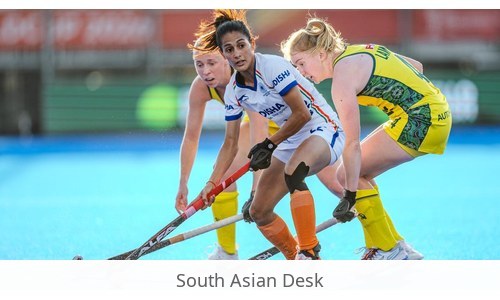
Hockey World Cup elimination marked a historic moment for Indian hockey as the women’s team was eliminated from the 2026 Hockey World Cup following a 0-0 goalless draw against Australia on August 23, 2026. The result ended India’s campaign in the tournament, with Australia advancing to the semifinals. This outcome highlights the challenges faced by India women’s hockey in competing at the highest level.
Hockey World Cup elimination: Match Summary
The match between India and Australia, held on August 23, 2026, concluded without any goals being scored, resulting in a goalless draw. Both teams displayed strong defensive strategies, with India’s squad showing resilience throughout the game. Key moments included intense pressure from both sides in the final minutes, but neither team managed to break the deadlock. Australia’s tactical discipline and India’s spirited defense defined the contest, though the lack of scoring opportunities left fans disappointed.
Both teams employing a 4-3-3 formation to counter each other’s attacking threats. India’s goalkeeper,, made several critical saves, while Australia’s defenders maintained a tight backline. The match was marked by a high number of fouls, with officials issuing 12 yellow cards across both teams, reflecting the physicality of the encounter. Despite the intensity, neither side could capitalize on set pieces or counterattacks, leading to the goalless stalemate.
Impact on Indian Hockey
India’s Hockey World Cup elimination underscores the challenges faced by the women’s hockey team in competing at the highest level. This result contrasts with India’s previous performances in World Cups, where the team has occasionally reached the semifinals. Analysts note that while the draw highlights the competitiveness of Australia women’s hockey, it also reveals areas for improvement in India’s attacking strategies and consistency under pressure. The outcome has sparked discussions about the need for enhanced training programs and investment in women’s sports in India.
The Indian Hockey Federation (IHF) has acknowledged the need for a comprehensive review of its development programs, particularly in youth academies and grassroots coaching. The federation has also emphasized the importance of increasing participation rates among women in hockey, citing a lack of competitive leagues and limited exposure to international standards as key barriers. This elimination comes at a time when India is striving to elevate its presence in global sports, with recent investments in sports infrastructure and athlete welfare programs aimed at fostering talent. However, the gap between India’s women’s hockey team and top-tier nations like Australia remains evident, with the latter having a more established pathway for player development and consistent funding.
Regional Context and Future Prospects
The Hockey World Cup elimination has broader implications for South Asian sports, where women’s hockey remains a niche discipline compared to cricket and football. While countries like Pakistan and Bangladesh have made strides in men’s hockey, the women’s teams in the region face similar challenges in terms of resources and visibility. The result has prompted calls for regional collaboration, including joint training camps and exchange programs, to address the systemic issues hindering growth.
The South Asian Association for Regional Cooperation (SAARC) has previously discussed initiatives to promote women’s sports, but concrete measures have yet to materialize. Meanwhile, Australia’s dominance in women’s hockey is well-documented, with the team having won multiple World Cup titles and Olympic medals. Their structured approach to player development, including academies and professional leagues, serves as a benchmark for emerging nations. For India, the focus will now shift to the upcoming Asian Games and the 2028 Olympics, where the team aims to rebuild its competitive edge through targeted reforms.
Follow SouthAsianDesk on X, Instagram and Facebook for insights on business and current affairs from across South Asia.
Sources
- Hockey World Cup | India eliminated after a goalless draw against Australia – thehindu.com
- Australia women in semis as India’s World Cup podium hopes end with 0-0 draw – indianexpress.com
Image: th-i.thgim.com