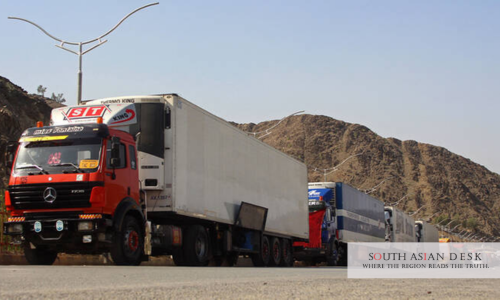
More than 700 humanitarian aid trucks have arrived in Afghanistan via Pakistan, the United Nations said Sunday, despite a near-total closure of the land border between the two countries that has been in place since clashes broke out in October. The convoy was carrying food and other critical humanitarian items, according to Olga Cherevko, spokeswoman for the UN Office for the Coordination of Humanitarian Affairs in Afghanistan.
United Nations Resident and Humanitarian Coordinator for Pakistan Mo Yahya said on social media platform X that 724 trucks of humanitarian cargo had crossed into Afghanistan through Torkham, reaching families in urgent need of assistance. Yahya also thanked Islamabad and all those who worked to keep the humanitarian corridor open despite the ongoing border restrictions.
Humanitarian Aid Trucks Reach Afghanistan – Torkham Border Crossing Remains Vital Despite Closure
The Torkham border crossing has become a focal point in efforts to sustain aid deliveries into Afghanistan, even as the wider frontier between the two countries has remained largely sealed since the conflict began last October. The near-total closure has severely disrupted logistical routes that aid organisations rely on to move food, medical supplies and other essentials into the country, forcing agencies to seek alternative arrangements to keep assistance flowing.
World Food Programme Deputy Executive Director Carl Skau said in May that the conflict-related closure had significantly complicated the delivery of humanitarian aid, underscoring how dependent relief operations in Afghanistan have become on stable access through Pakistan. In one striking illustration of those disruptions, fortified biscuits intended for Afghan schoolchildren that were originally being shipped from Pakistan earlier this year had to be rerouted through Iran after the border closure. When the war in Iran subsequently disrupted that route as well, the biscuits eventually reached Afghanistan only after a lengthy land and sea journey through Jordan, Turkiye and Azerbaijan.
Afghan Child Malnutrition Reaches Critical Levels
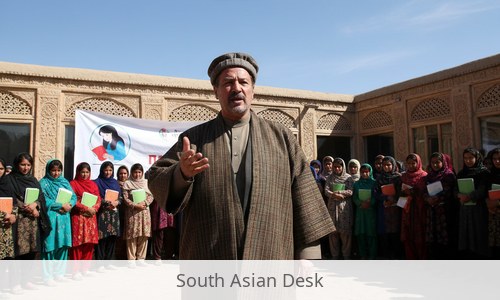
The successful passage of the convoy comes as Afghan child malnutrition has reached critical levels this year, according to a warning issued by the World Food Programme in early August. The agency has attributed the deteriorating nutrition situation to a combination of factors, including deadly earthquakes last year, a series of climate-related disasters in the months since, and the return of millions of Afghans from Iran and Pakistan since 2023.
As a result of these compounding pressures, nearly 14 million Afghans are now facing acute hunger, the World Food Programme has estimated. That scale of need has placed added urgency on maintaining reliable supply routes into the country, making the arrival of the latest convoy through Torkham a significant, if partial, step toward addressing the shortfall.
A Fragile but Functioning Humanitarian Lifeline
While the crossing of more than 700 humanitarian aid trucks demonstrates that assistance can still reach Afghanistan despite the diplomatic and security tensions between Islamabad and Kabul, the underlying border closure continues to pose a persistent obstacle to consistent aid delivery. Humanitarian officials have indicated that sustaining this corridor will require continued cooperation between the two governments, particularly as needs across Afghanistan remain acute heading into the coming months.
For now, the passage of the convoy offers a measure of relief for aid organisations working to reach vulnerable families, even as the broader challenges facing Afghanistan, from child malnutrition to the lingering effects of natural disasters and mass returns of migrants, continue to strain the country’s humanitarian response.
Published in SouthAsianDesk, August 17th, 2026
Follow SouthAsianDesk on X, Instagram and Facebook for insights on business and current affairs from across South Asia.