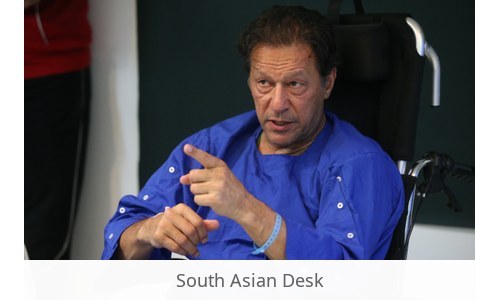
Imran Khan health appeal: On August 24, 2026, former Pakistan cricket captains Sunil Gavaskar, Kapil Dev, and Dilip Vengsarkar renewed their appeal to Pakistan’s Prime Minister regarding the health of former Prime Minister Imran Khan, who is currently in custody and reportedly requires urgent medical attention. This marks the second such appeal from the trio in six months, underscoring persistent concerns about Khan’s well-being.
Imran Khan health appeal: Political Implications of Imran Khan’s Health
The health of Imran Khan, a polarizing figure in Pakistani politics, has become a focal point for both domestic and international observers. His current detention and reported medical needs have raised questions about the potential impact on public sentiment and political stability in Pakistan. While the Pakistani government has not publicly responded to the latest appeal, previous statements from officials emphasized adherence to due process in Khan’s case.
The former captains’ intervention highlights the intersection of sports and politics in South Asia, where retired athletes often leverage their public influence to address societal issues. Their appeal has been closely monitored by analysts tracking the broader implications for Pakistan’s political landscape, particularly amid ongoing debates about judicial independence and governance.
The situation has also drawn attention from regional observers, who note that the health of high-profile political figures can serve as a barometer for public trust in institutions. In Pakistan, where Imran Khan’s tenure as prime minister was marked by both populist policies and controversial governance, his current condition may reflect deeper tensions between the judiciary, executive, and civil society. Analysts suggest that the appeal by cricket icons could amplify pressure on the government to ensure transparency in Khan’s treatment, potentially influencing public perception of the rule of law.
Role of Sports Figures in Political Advocacy
The involvement of cricket icons in political advocacy is not unprecedented in South Asia. Historical precedents include former Indian Prime Minister Indira Gandhi’s engagement with sports diplomacy and the role of cricket in fostering regional ties during the 1990s. However, the current appeal by Gavaskar, Dev, and Vengsarkar reflects a unique convergence of transnational sports networks and domestic political crises.
This development underscores the growing role of retired athletes as unofficial mediators in contentious political matters. Their appeal has sparked discussions about the ethical boundaries of sports figures engaging in political advocacy, particularly in contexts where health concerns intersect with legal proceedings. In Pakistan, where cricket holds immense cultural significance, the intervention of these icons carries symbolic weight, potentially bridging gaps between public sentiment and institutional responses.
The appeal also highlights the broader trend of sports figures leveraging their platforms to address issues beyond the sporting arena. In recent years, athletes from across South Asia have increasingly spoken on matters of governance, human rights, and social justice, reflecting a shift in how public figures engage with political discourse. However, the sensitivity of Khan’s case—given his political stature and the legal proceedings against him—requires careful navigation to avoid accusations of overreach or bias.
Contextualizing the Appeal in South Asian Dynamics
The renewed appeal comes at a time of heightened scrutiny over Pakistan’s political and judicial systems. The country has faced periodic challenges to its democratic institutions, with debates over judicial independence and the balance of power between the executive and judiciary. Imran Khan’s detention, which followed his alleged involvement in electoral violations, has been a flashpoint for these tensions. His reported health concerns, therefore, are not merely a personal matter but a potential catalyst for broader discussions about the treatment of political prisoners and the rule of law.
In this context, the intervention by cricket captains—figures who are widely respected across South Asia—adds a layer of legitimacy to the call for transparency. Their appeal may also resonate with international observers, who have long been concerned about the state of democracy in Pakistan. While the Pakistani government has maintained that Khan’s case is being handled in accordance with legal procedures, the persistence of health-related appeals could signal underlying anxieties about the fairness of his treatment.
The political implications of sports are evident in this appeal, as the involvement of Pakistan cricket captains underscores the symbolic power of sports figures in shaping public discourse. Their actions may influence not only domestic perceptions but also international narratives about Pakistan’s governance and human rights record.
Follow SouthAsianDesk on X, Instagram and Facebook for insights on business and current affairs from across South Asia.
Sources
- Gavaskar, Kapil, Vengsarkar among ex-captains writing again to Pakistan govt for Imran Khan – indianexpress.com
- Former captains renew appeal to Pakistan PM over Imran Khan’s health – cricinfo.com
Image: p.imgci.com