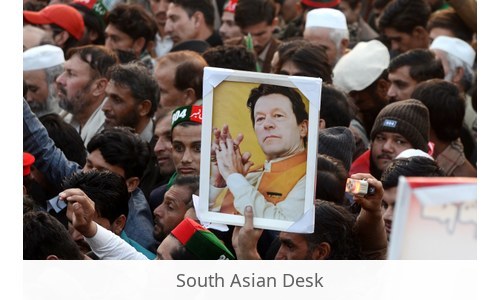
The Pakistan Tehreek-e-Insaf (PTI) party filed a contempt action against authorities following former Prime Minister Imran Khan’s recent Imran Khan hospital visit, as reported by Al Jazeera. Imran Khan, incarcerated in Adiala Jail since August 2023 for corruption charges, was declared ‘medically fit’ by authorities before being returned to custody after the visit, according to ESPNcricinfo.
Imran Khan hospital visit: Political Implications
The PTI’s legal action raises questions about the treatment of political figures in custody and may influence public perception of the party’s leadership. Analysts suggest the move could exacerbate tensions between the PTI and the current Pakistan government, particularly as Imran Khan remains a polarizing figure in South Asian politics. The legal challenge also highlights ongoing debates about judicial independence and the handling of high-profile detainees.
The Imran Khan hospital visit has become a focal point for the PTI’s broader strategy to contest the legitimacy of Khan’s incarceration. By framing the medical evaluation as an attempt to undermine his health and political influence, the party seeks to mobilize its base and draw attention to perceived judicial overreach. This aligns with the PTI’s historical opposition to political imprisonment in Pakistan, a tactic that has been used by successive governments to neutralize opposition leaders. The current case, however, is notable for its timing, as Khan’s legal battles have intensified amid a fragmented political landscape and rising public discontent over economic conditions.
Broader Context
Political imprisonment in Pakistan has long been a feature of the country’s governance, with leaders from various parties facing charges ranging from corruption to sedition. While the PTI has historically opposed such measures, this case underscores the challenges of maintaining political stability in a system where legal actions often intersect with partisan dynamics. Comparative cases, such as the treatment of former leaders like Benazir Bhutto and Nawaz Sharif, reveal recurring patterns of judicial scrutiny and political retribution.
Benazir Bhutto, Pakistan’s first female prime minister, was twice removed from office and spent years in exile before her assassination in 2007. Her case highlighted the vulnerability of political leaders to legal and extrajudicial pressures. Similarly, Nawaz Sharif, a three-time prime minister, has faced multiple legal challenges, including a 2019 Supreme Court ruling that disqualified him from holding public office. These precedents illustrate the cyclical nature of political conflict in Pakistan, where legal mechanisms are frequently weaponized to settle political scores.
The PTI’s current legal action against authorities over Khan’s Imran Khan hospital visit fits into this broader pattern. By challenging the medical evaluation process, the party is not only contesting the conditions of Khan’s detention but also questioning the impartiality of the judicial system. This could have far-reaching implications for the rule of law in Pakistan, as the PTI’s success in this case may embolden other opposition groups to challenge similar legal actions.
Public and International Reactions
Domestically, the PTI has framed the the result as an attempt to undermine Imran Khan’s health and political influence, while government officials have defended the medical evaluation as routine. International observers, including human rights groups, have called for transparency in the legal process and the treatment of detainees. However, broader regional and global reactions remain cautious, with many nations prioritizing non-interference in Pakistan’s internal affairs.
The PTI’s messaging has emphasized the potential health risks to Khan, suggesting that the the result was an unnecessary and politically motivated move. This narrative resonates with segments of the population that view Khan as a legitimate political leader unfairly targeted by the judiciary. Conversely, government officials have reiterated that the medical evaluation was conducted in accordance with standard procedures and that Khan’s health was not compromised. This divergence in narratives has fueled public speculation and debate, with some analysts noting that the case could become a litmus test for the independence of Pakistan’s judiciary.
Internationally, the case has drawn attention from human rights organizations, which have called for greater transparency in the treatment of high-profile detainees. However, most regional and global actors have refrained from direct intervention, citing the principle of non-interference in domestic matters. This cautious approach reflects the complex geopolitical dynamics in South Asian politics, where external actors often balance their concerns about human rights with the need to maintain diplomatic and economic ties with Pakistan.
Follow SouthAsianDesk on X, Instagram and Facebook for insights on business and current affairs from across South Asia.
Sources
- Pakistan’s PTI seeks contempt action over jailed Imran Khan’s hospital move – aljazeera.com
- Imran Khan returns to jail after being declared ‘medically fit’ – cricinfo.com
Image: p.imgci.com