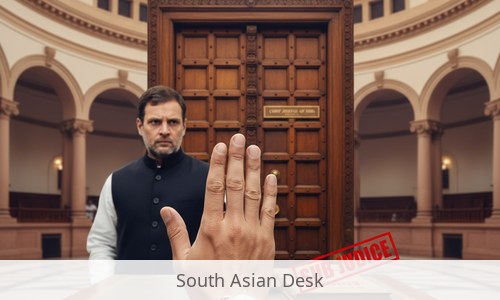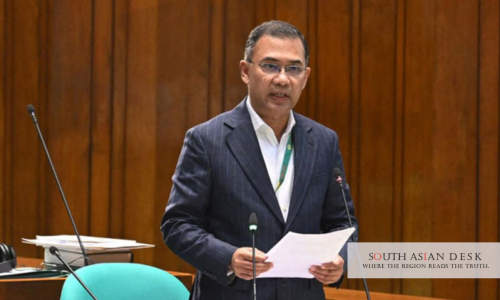
India Bangladesh relations appear to be entering a warmer phase under Prime Minister Tarique Rahman, according to analysis published by The Daily Star, even as questions remain over the fate of ousted leader Sheikh Hasina and her continued political activity from Indian soil. Diplomatic movement between the two countries has picked up pace in recent days, with a series of high level contacts suggesting New Delhi is keen to rebuild ties with Dhaka’s elected government.
India Bangladesh Relations – A Flurry of Diplomatic Activity
According to the report, India’s high commissioner to Bangladesh, Dinesh Trivedi, flew back to Delhi within hours of meeting Tarique Rahman, a trip followed the next day by an audience with Indian Prime Minister Narendra Modi. The timing was notable given that Parag Jain, head of India’s foreign intelligence agency, the Research and Analysis Wing, was reportedly in Dhaka on the same day that Trivedi met with Rahman.
This burst of diplomatic engagement came less than a week after Hasina’s much publicised appearance at the Foreign Correspondents Club of South Asia in Delhi on August 5, an event that drew a sharp protest response despite what the report described as prior caution from Dhaka. India’s official response to the event, according to the analysis, was notably more measured. New Delhi clarified that it had no involvement in organising the event, describing it as privately arranged, while an Indian foreign office spokesperson said the government did not endorse Hasina’s remarks about Bangladesh’s current administration.
A Shift From the Interim Government Period
The tone of engagement now marks a clear departure from the period following Bangladesh’s interim government, when, according to the report, Delhi’s posture toward Dhaka appeared considerably more strained. The shift in approach reportedly became evident even before the BNP won the election, with India’s overtures signalling a willingness to engage with Tarique Rahman once he assumed office as prime minister.
At the same time, the analysis notes an important distinction in how far this warming extends. The Modi government does not appear inclined to prevent Hasina from conducting political activity while in India, so long as such events are organised on a private basis. According to the report, India has taken no initiative to restrict her activities to date and has made no public commitment to do so going forward.
The BRICS Invitation and a Possible Bilateral Visit
Much of the recent discussion has centred on Tarique Rahman’s invitation to attend a session of the BRICS summit in September in his capacity as BIMSTEC chair. Indian officials have sought to clarify that Rahman was invited in his separate capacity as Bangladesh’s prime minister as well. Indian foreign ministry spokesperson Randhir Jaiswal reportedly confirmed that India had extended an invitation for both a bilateral visit and the BRICS outreach session.
The report notes that both governments now appear to be considering a bilateral visit as early as the following week, a development that has eased earlier speculation. That speculation had centred on whether the absence of any Indian action against Hasina’s activities would leave Rahman’s visit in doubt.
Domestic Political Pressure Over Hasina’s Extradition
Within Bangladesh, Hasina’s remarks have drawn particularly sharp criticism from the opposition alliance formed by Jamaat-e-Islami and the National Citizens Party, both of which the report describes as the political heirs of the July 2024 uprising that led to her removal from office. Hasina has remained unapologetic about her government’s response to the protests during that period. The opposition alliance has argued that Hasina must be extradited and made to face justice before bilateral relations with India can meaningfully improve.
The analysis points to what it characterises as a tension within this position, noting that the same groups demanding Hasina’s extradition appear equally troubled whenever she signals intentions of a return, suggesting that the manner of any return, whether as a returning figure on her own terms or as an extradited convict, carries significant political weight domestically. The opposition has also maintained a firmly critical stance toward India more broadly, a position the report suggests is likely to continue shaping public sentiment, given India’s historical association with Hasina’s government.
Bangladesh’s Own Diplomatic Balancing Act
For its part, Bangladesh’s government has indicated a willingness to engage with India, a stance the analysis describes as a practical necessity given the scale of the relationship with its larger neighbour. The report also points to Tarique Rahman’s earlier visit to China, ahead of any visit to India, as a factor that may have added urgency to Delhi’s own outreach, amid a broader shift in regional dynamics that India is now navigating in its immediate neighbourhood.
The analysis concludes that Rahman faces the task of balancing two audiences at once. Domestically, he must reassure a public and political base that remains deeply critical of Hasina that closer ties with Delhi do not represent a retreat from demands for accountability, but rather an opportunity to press those demands further. For India, the report suggests the broader lesson may be that its relationship with Bangladesh cannot be built around ties to a single political leader, a dynamic that appeared to strain relations significantly during the interim government period following Hasina’s removal from power.
Published in SouthAsianDesk, August 18th, 2026
Follow SouthAsianDesk on X, Instagram and Facebook for insights on business and current affairs from across South Asia.