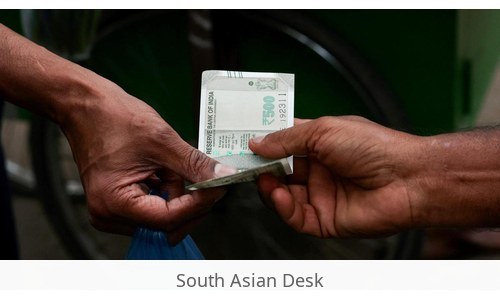
Indian rupee fluctuation has seen the currency open at 95.69 and rise to 95.65, gaining 9 paise from its previous close. This movement reflects ongoing economic dynamics that influence cross-border transactions, trade balances, and regional financial stability. The rupee’s trajectory is closely monitored by policymakers, businesses, and individuals reliant on international trade and remittances. The fluctuation underscores the interconnectedness of South Asia’s economies with global markets, particularly in the context of India’s role as a regional economic hub.
Indian rupee fluctuation: Impact on International Travel and Education Costs
The rupee’s recent performance has direct implications for international travelers and students, particularly those from South Asian countries seeking opportunities abroad. A stronger rupee reduces the cost of overseas travel and education by making foreign currency more affordable. For instance, students from India, Pakistan, and Bangladesh pursuing higher education in the United States benefit from lower tuition and living expenses when the rupee strengthens. Conversely, a weaker rupee would increase financial burdens for such individuals, affecting their ability to afford international programs.
The impact extends beyond education to remittances and travel expenditures. South Asian workers abroad, particularly in the Gulf and Western countries, often send money back to their home nations. A stronger rupee means these remittances, when converted to local currencies, hold greater value, potentially improving household purchasing power. Similarly, travelers planning trips to Europe, the Middle East, or North America face reduced costs for flights, accommodation, and daily expenses. This dynamic is particularly relevant for India, where a significant portion of the population relies on international travel for business, education, or family visits.
Reasons Behind the Rupee’s Performance
Market analysts attribute the rupee’s strength to a combination of domestic economic fundamentals and global market conditions. Stable inflation rates, robust foreign exchange reserves, and a positive trade balance are key factors contributing to investor confidence in the Indian economy. The Reserve Bank of India’s (RBI) monetary policies, including interest rate adjustments and foreign exchange management, play a critical role in maintaining currency stability. Additionally, global interest rate differentials—such as the Federal Reserve’s stance on U.S. rates—can influence capital flows into or out of India.
The USD to INR exchange rate is a critical indicator of the Indian rupee fluctuation. Recent trends show that a stronger rupee benefits importers but may challenge exporters. Commodity price movements, particularly in oil and gold, also impact the rupee. India is a major importer of crude oil, and fluctuations in global oil prices can affect the country’s trade deficit and foreign exchange reserves. A decline in oil prices, for instance, reduces import costs, indirectly supporting the rupee. Similarly, gold imports, which have historically been a significant drain on foreign exchange reserves, may see reduced demand during periods of economic optimism, further stabilizing the currency.
Implications for Cross-Border Commerce
The Indian rupee fluctuation has broader implications for trade relations within South Asia and beyond. A stronger rupee enhances India’s export competitiveness by making its goods relatively cheaper for foreign buyers. This is particularly advantageous for sectors such as textiles, pharmaceuticals, and information technology, which are key drivers of India’s export economy. However, the same strength can increase the cost of imports, affecting industries reliant on raw materials from China, the Middle East, and other regions.
For neighboring countries like Pakistan and Bangladesh, the rupee’s trajectory influences bilateral trade dynamics. A stronger Indian currency may make Indian exports more attractive to these countries, potentially altering trade balances and investment flows. For example, Bangladesh, which has historically imported significant quantities of Indian textiles, may see shifts in sourcing strategies if the rupee remains strong. Similarly, Pakistan’s reliance on Indian imports for energy and consumer goods could be affected by currency fluctuations, prompting adjustments in trade policies or import tariffs.
The South Asia economy is deeply intertwined with the Indian rupee’s performance. As the region’s largest economy, India’s currency stability can ripple across borders, influencing trade, investment, and financial flows. The Indian government and the RBI are likely to monitor these developments closely, as currency stability is crucial for maintaining economic growth and investor confidence. Policy interventions, such as adjustments to interest rates or foreign exchange regulations, may be considered to mitigate risks from external shocks, such as global market volatility or geopolitical tensions. The currency performance of the rupee also plays a pivotal role in shaping regional economic strategies, as neighboring nations adjust their trade policies and investment frameworks in response to India’s monetary trends.
Follow SouthAsianDesk on X, Instagram and Facebook for insights on business and current affairs from across South Asia.
Sources
- Rupee gains 9 paise to 95.65 against U.S. dollar in early trade – thehindu.com
- Dollar At Rs 95: Is Weaker Rupee A Temporary Shock Or The New Normal? – ndtv.com
Image: th-i.thgim.com