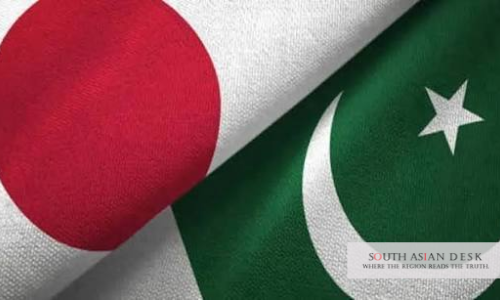
Japan’s polio vaccine grant of $4.3 million will help Pakistan procure more than 28 million doses of oral polio vaccines for immunisation campaigns planned for 2027, according to a press release issued by the Japanese embassy in Islamabad on Friday. The announcement comes as the country works to interrupt the transmission of a disease that has proved stubbornly difficult to eliminate.
What the Polio Vaccine Grant Will Fund
The Japanese government said the new funding forms part of its continued support for Pakistan’s polio eradication efforts. The money will be used by the Pakistan Polio Eradication Initiative to buy essential oral polio vaccines and to support their delivery, helping to sustain the progress made in recent years.
Japan’s ambassador to Pakistan, Akamatsu Shuichi, reaffirmed his country’s commitment to supporting Pakistan’s health priorities. He noted that Japan has backed Pakistan’s polio eradication work since 1996, cooperating closely with Unicef and other partners. The ambassador also pointed out that the latest grant is larger than the one provided last year, which he said reflects Tokyo’s continued support for the shared goal of a polio-free Pakistan. Japan, he added, fully backs Pakistan’s determination to interrupt poliovirus transmission by the end of 2027.
Where Pakistan Stands in the Fight Against Wild Poliovirus
Pakistan remains one of only two countries in the world where the transmission of wild poliovirus has not yet been eliminated. The country has nevertheless recorded significant progress in reducing cases, which fell from 74 in 2024 to 31 in 2025. Eight cases have been reported so far in 2026.
Progress, however, has not been uniform. Six of the eight cases recorded this year come from southern Khyber Pakhtunkhwa, where insecurity and access constraints continue to make it hard to reach every child. The continued detection of the virus, officials noted, underlines the need for sustained efforts to stop transmission everywhere and to protect every child.
A National Plan to Interrupt Transmission by 2027
To intensify the response to the incurable but preventable disease, the government has developed the National Emergency Action Plan 2026-27 under the Roadmap to Zero, with support from its partners. The plan sets out a focused approach aimed at interrupting poliovirus transmission by the end of 2027.
The scale of the operation is considerable. Each national immunisation drive targets more than 45 million children under the age of five, and it relies on more than 400,000 frontline health workers who go door to door and community to community to deliver the vaccine. Reliable access to a steady supply of oral polio vaccines is therefore central to the success of every campaign, which is why the newly signed polio vaccine grant carries practical weight for the national programme.
Government Welcomes Japan’s Contribution
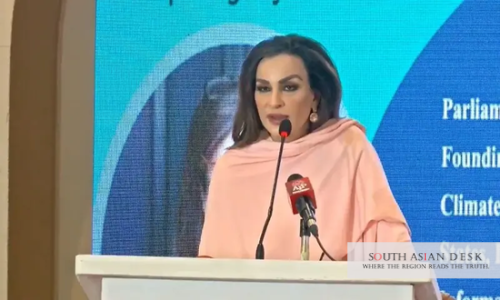
Ayesha Raza Farooq, the Prime Minister’s Focal Person on Polio Eradication, said the Japanese contribution arrives at a critical time as Pakistan steps up its efforts to interrupt transmission and eliminate the disease. She said every dose supported through the grant brings the country closer to a polio-free Pakistan, and she expressed gratitude to the government and people of Japan for their enduring commitment and partnership.
Her remarks reflect the importance the government attaches to external support in a campaign that depends on consistent funding, trained personnel and public trust. Pakistan has made notable gains over the past two years, but the remaining cases show how quickly progress can be tested in areas where security concerns limit access to children.
The Road Ahead for Polio Eradication
With a little over a year remaining before the target date set under the national plan, the pressure on health authorities is likely to grow. The doses secured through Japan’s contribution will support the campaigns scheduled for 2027, the very year in which Pakistan hopes to see transmission interrupted.
For officials and development partners alike, the priority will be to reach children in the most difficult districts while maintaining high coverage elsewhere. The Japanese polio vaccine grant addresses one essential part of that challenge, the supply of vaccines, and it signals that long-standing international partners remain committed to helping Pakistan finish what it has started.
Follow SouthAsianDesk on X, Instagram and Facebook for insights on business and current affairs from across South Asia.