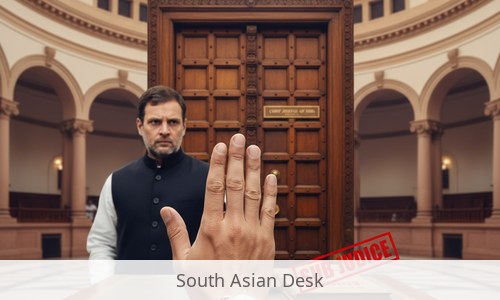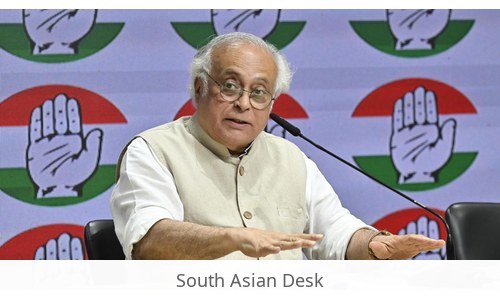
Lok Sabha prorogation delay has become a focal point of political discourse as the Congress party raises concerns over the adjournment sine die of the Lok Sabha, which was suspended ten days prior to August 23, 2026. Jairam Ramesh of the Congress party highlighted the lack of clarity surrounding the prorogation, sparking speculation about whether Home Minister Amit Shah is still pursuing a two-thirds majority for a delimitation-linked bill, as reported by The Hindu and The Indian Express.
Lok Sabha prorogation delay: Political Implications of the Delay
The adjournment sine die for ten days has created uncertainty around legislative priorities. With the Lok Sabha session suspended, key bills and debates face potential delays. Analysts note that the timing of the prorogation could influence the government’s ability to push forward its agenda, particularly on contentious issues like delimitation. The Congress party has positioned this delay as an opportunity to scrutinize the government’s strategy, suggesting the move may be aimed at securing a supermajority for the delimitation bill.
The delay in prorogation has sparked broader discussions about the procedural tactics employed by political parties to shape legislative outcomes. In the Indian legislative process, prorogation is a tool that can be used to reset the legislative calendar, allowing governments to avoid contentious debates or prioritize certain bills. However, the extended suspension of the Lok Sabha has raised eyebrows among political observers, who note that such delays are often strategic.
The current situation is particularly significant given the government’s stated intent to advance a delimitation-linked bill, which requires a two-thirds majority in the Lok Sabha for passage. This threshold is a constitutional requirement for amendments to the electoral boundaries, a process that has historically been politically charged due to its potential to alter the balance of power between states and regions.
Congress’s Political Strategy
Congress has historically opposed delimitation reforms, arguing they could entrench existing power imbalances. Ramesh’s statements signal a renewed focus on challenging the government’s legislative tactics, particularly around securing the two-thirds majority required for constitutional amendments. The party has not ruled out leveraging this delay to mobilize opposition and raise questions about the urgency of the delimitation bill. Historical precedents show that such procedural delays often reflect broader political negotiations, though no official statements have yet clarified the government’s intent.
The delimitation process in India is governed by the Delimitation Commission Act, which mandates that electoral boundaries be redrawn after each census. However, the current proposal appears to go beyond routine adjustments, with implications for the representation of states in the Lok Sabha and the allocation of parliamentary seats. Critics argue that such changes could disproportionately benefit certain regions or political entities, thereby undermining the principle of equitable representation. Congress has consistently opposed any reforms that it perceives as favoring the ruling party’s electoral interests, framing the issue as a matter of democratic integrity.
The delay in prorogation has also intensified scrutiny of the government’s legislative calendar. With the Lok Sabha suspended, the ruling party faces challenges in advancing its agenda, particularly on issues that require consensus. The delimitation bill, if passed, would require not only a two-thirds majority but also cross-party cooperation, a feat that has proven difficult in recent years. The Congress party’s public questioning of Amit Shah’s intentions may be an attempt to pressure the government into revealing its strategy or to rally opposition support against what it describes as a politically motivated legislative maneuver.
Contextualizing the Delimitation Debate
Delimitation has long been a contentious issue in Indian politics, with debates over its frequency, methodology, and implications for electoral fairness. The last major delimitation exercise was conducted in 2008, following the 2001 census, and the current proposal would mark the first such adjustment since then. The government has argued that the delay in the process is due to the need for extensive consultations and data analysis, though critics have raised concerns about the potential for political bias in the proposed changes.
The requirement for a two-thirds majority underscores the constitutional significance of delimitation. Such a high threshold ensures that any changes to electoral boundaries must enjoy broad consensus, a safeguard against unilateral decisions by a single party. However, the current political climate, marked by polarization and fragmented opposition, makes securing such a majority increasingly difficult. The delay in prorogation may be an attempt to create a window for negotiations or to pressure opposition parties into supporting the bill, though no formal discussions have been reported.
The Lok Sabha prorogation delay has also drawn attention in South Asian politics, with analysts noting its potential to influence regional dynamics and electoral strategies across the subcontinent. As the Congress party continues to challenge the government’s approach, the situation remains a key topic in Congress party news, reflecting broader tensions in the Indian legislative process.
Follow SouthAsianDesk on X, Instagram and Facebook for insights on business and current affairs from across South Asia.
Sources
- Congress highlights delay in Lok Sabha prorogation, asks if Amit Shah still seeking 2/3rd majority for delimitation-linked Bill – thehindu.com
- India News Live Updates, 23 August 2026: Congress asks if Amit Shah is seeking two-thirds majority for delimitation bill – indianexpress.com
Image: th-i.thgim.com