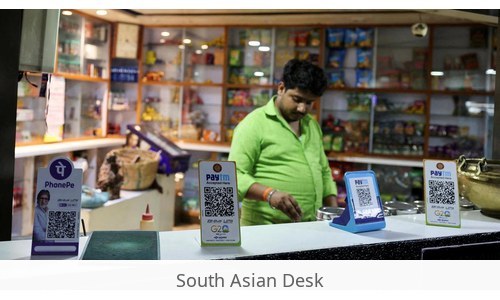
MDR on UPI transactions has become a focal point in India’s digital payment landscape, as The Hindu reported on 2026-09-16. The introduction of a 0.4% Merchant Discount Rate (MDR) on certain Unified Payments Interface (UPI) transactions has sparked debates about who will bear the financial burden and who will benefit from this shift. This change could reshape the dynamics of India digital payments, with implications for consumers, businesses, and payment platforms alike.
MDR on UPI Transactions: Impact on Consumers
The Hindu notes that while the MDR system introduces a 0.4% charge on certain transactions, others will remain free. This distinction could influence impact of MDR on consumers, with some users potentially opting for alternative payment methods to avoid fees. NDTV highlights that UPI was previously free at checkout, with infrastructure costs covered through other mechanisms, suggesting that the new fee structure may shift financial burdens onto merchants or consumers.
For instance, frequent small transactions—common among everyday shoppers—could see a noticeable impact, altering consumer behavior in the India digital payments ecosystem. This could lead to a rise in cash transactions or a shift toward other digital payment platforms that do not impose such fees, potentially fragmenting the market further.
Effects on Payment Platforms
The implementation of MDR on UPI transactions could reshape competition among UPI payment platforms. Banks and payment service providers may benefit from the revenue generated through MDR charges, potentially altering the landscape of digital payments. The Hindu indicates that this change could create new financial incentives for platforms to optimize transaction volumes, though smaller players may face challenges in competing with larger entities that can absorb or pass on costs more effectively.
This shift might also influence how Merchant Discount Rate implications are managed, with platforms needing to balance profitability and user retention. Larger platforms with established user bases may leverage their scale to negotiate better terms with merchants, while smaller platforms could struggle to maintain their market share without significant cost adjustments.
Implications for Small Businesses
Small businesses may face challenges adapting to the new MDR system. The 0.4% fee on certain transactions could increase operational costs, particularly for businesses reliant on frequent small transactions. However, some merchants might absorb the cost to maintain customer loyalty, while others could pass it on to consumers. The Hindu and NDTV both suggest that the impact will depend on how the fee is structured and whether it applies to all transaction types equally.
This raises questions about the Unified Payments Interface fees and their long-term viability for micro-enterprises. Small businesses may need to explore cost-saving measures, such as negotiating better rates with payment platforms or adopting alternative payment methods that minimize fees. Additionally, the government or industry bodies may need to step in to provide support or guidance to ensure that small businesses are not disproportionately affected by the new fee structure.
The Broader Impact on India’s Digital Payment Ecosystem
The introduction of MDR on UPI transactions marks a significant shift in India’s digital payment ecosystem. Previously, UPI’s free model had driven widespread adoption, making it the preferred method for both consumers and merchants. The new fee structure could alter this dynamic, potentially slowing the growth of UPI transactions or prompting a reevaluation of how digital payments are structured.
For consumers, the cost of small transactions may become a deterrent, leading to a decline in UPI usage for everyday purchases. Conversely, larger transactions might see increased adoption as the fee becomes a smaller proportion of the total amount. This could lead to a bifurcation in the market, where UPI is used more for high-value transactions, while smaller payments revert to cash or other fee-free methods.
For payment platforms, the MDR introduces a new revenue stream, which could be reinvested into improving infrastructure, expanding services, or enhancing security features. However, the challenge lies in maintaining user trust and ensuring that the fee does not deter users from adopting digital payments altogether.
Platforms may need to communicate the benefits of the MDR clearly, emphasizing how the fees contribute to the sustainability of the payment ecosystem. Additionally, there may be a need for transparency in how the fees are calculated and applied, to avoid confusion among users and merchants.
The long-term implications of this change remain to be seen. While the immediate impact may be felt by consumers and small businesses, the broader effect on India’s digital economy could be significant. The government and regulatory bodies may need to monitor the situation closely to ensure that the transition is smooth and that the benefits of digital payments are not undermined by the introduction of fees. It will be crucial to strike a balance between generating revenue for payment platforms and maintaining the accessibility and affordability of digital transactions for all stakeholders.
Related Posts
- India’s Digital Payment Growth: Challenges and Opportunities
- The Future of UPI: Trends and Predictions
- Small Businesses and Digital Payments: Navigating the New Landscape
Follow SouthAsianDesk on X, Instagram and Facebook for insights on business and current affairs from across South Asia.
Sources
- Who has to pay MDR on UPI and who stands to gain the most? | Explained – thehindu.com
- Opinion: Opinion | How A Tiny 0.4% UPI Fee Could Change How India Pays – ndtv.com
Image: th-i.thgim.com