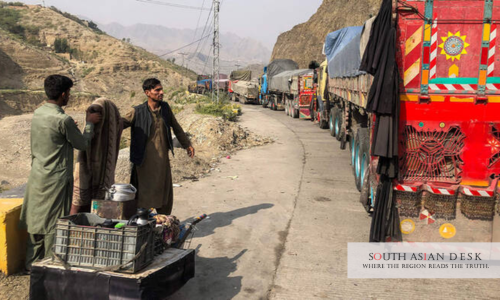
Pakistan Afghanistan humanitarian aid has resumed at a critical border point, with Pakistani and United Nations officials confirming that more than 700 truckloads of relief cargo have crossed into Afghanistan through the Torkham border crossing in Pakistan’s northwest. The development marks a significant, though narrow, exception to a broader closure that has cut off trade between the two countries for months.
Pakistan Afghanistan Humanitarian Aid Moves Despite Ongoing Border Closure
Pakistan has kept its border crossings with Afghanistan closed for trade since October 2025, following a series of deadly clashes and heightening security tensions along the frontier. The shutdown also halted the movement of Afghan transit cargo through Karachi, disrupting supply chains that many Afghan communities depend on. Despite this continued closure, Pakistan Afghanistan humanitarian aid has been allowed to move separately from commercial trade, reflecting an effort by both sides to keep a channel open for civilians affected by the crisis.
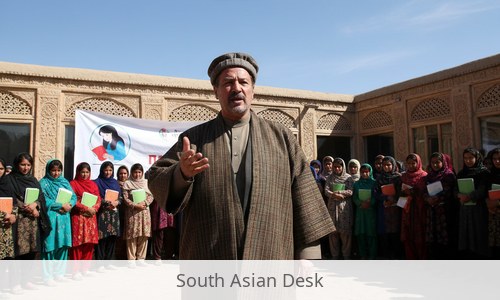
Repeated border clashes and a worsening economic situation have forced tens of thousands of Afghans to leave their homes, with the United Nations and other international agencies delivering what officials described as life-saving food to displaced Afghan families. Against this backdrop, the resumption of Pakistan Afghanistan humanitarian aid through Torkham offers a rare point of cooperation between two governments whose relations have deteriorated sharply over the past year.
Torkham Border Crossing Becomes Lifeline for Displaced Afghan Families
Mohamed Yahya, the UN resident and humanitarian coordinator in Pakistan, said on Friday that 724 trucks of humanitarian cargo had crossed into Afghanistan through the Torkham border crossing, reaching families who needed it most. “Deeply grateful to the Government of Pakistan and all those who made it possible to keep the humanitarian lifeline open. Together, we delivered,” he said in a post on X.
Pakistan’s Foreign Minister Ishaq Dar responded to the statement, saying he was glad to have facilitated the humanitarian effort by the United Nations and to help ensure assistance reached those in need in Afghanistan. The coordinated movement of Pakistan Afghanistan humanitarian aid through Torkham stands in contrast to the wider freeze on cross-border commerce, underscoring how humanitarian corridors are increasingly being negotiated separately from broader trade and security disputes.
Pakistan Afghanistan Border Tensions Continue to Shape Relations
Tensions between Pakistan and Afghanistan have risen sharply in the wake of a surge in deadly militant attacks inside Pakistan, particularly since the Taliban returned to power in Afghanistan five years ago. Islamabad has repeatedly accused Kabul of harbouring the Pakistani Taliban and other militant groups responsible for these attacks, an allegation the Taliban government denies. The continuing attacks have led to fierce clashes between the two countries in recent months, complicating efforts to normalise trade even as humanitarian channels such as Torkham remain open.
A Narrow but Significant Opening
The resumption of Pakistan Afghanistan humanitarian aid through the Torkham border crossing does not resolve the underlying tensions between Islamabad and Kabul, nor does it reopen the commercial trade routes that have been closed since October 2025. It does, however, demonstrate that humanitarian cooperation remains possible even as security disputes persist, offering displaced and vulnerable Afghan families a measure of relief while the broader relationship between the two neighbours remains strained.
Published in SouthAsianDesk, August 16th, 2026
Follow SouthAsianDesk on X, Instagram and Facebook for insights on business and current affairs from across South Asia.