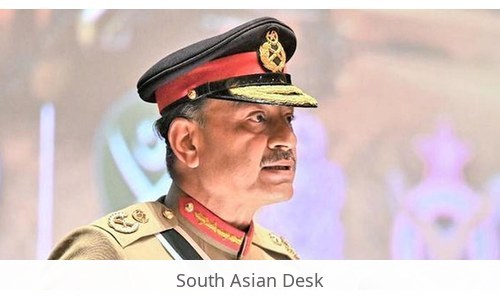
Pakistan Army Chief visit Tehran: On August 23, 2026, Iranian foreign ministry spokesperson Esmaeil Baghaei confirmed that Pakistan’s Army Chief Asim Munir will visit Tehran on August 24. The visit, aimed at continuing efforts for regional peace and security, comes amid planned U.S. sanctions on Iran described as “the toughest sanctions in history” by American officials.
Pakistan Army Chief visit Tehran: Regional Implications
The visit underscores Pakistan’s role as a mediator in U.S.-Iran negotiations, a role that has historically positioned Islamabad as a critical bridge between Tehran and Washington. Iranian officials emphasized that Munir’s presence will focus on strengthening bilateral cooperation on regional security issues, including counterterrorism and trade corridors. The timing of the visit, coinciding with the announced sanctions, suggests Pakistan’s intent to maintain diplomatic engagement despite heightened geopolitical tensions.
Pakistan’s strategic location at the crossroads of South Asia and the Middle East has long made it a key player in regional diplomacy. The country’s military leadership, particularly the Army Chief, has traditionally held significant influence over foreign policy decisions, reflecting the deep integration of military and civilian governance in Islamabad. This visit is likely to reinforce Pakistan’s position as a stabilizing force in a region marked by complex alliances and rivalries.
The focus on counterterrorism cooperation is particularly noteworthy, given the shared challenges of regional extremism and the need for coordinated efforts against groups like the Islamic State and Tehrik-e-Taliban Pakistan (TTP). Additionally, discussions on trade corridors may center on the China-Pakistan Economic Corridor (CPEC), a multibillion-dollar infrastructure project that has become a focal point of regional economic integration. Iran’s participation in such initiatives could enhance connectivity between South Asia and the Middle East, potentially reducing reliance on Western-dominated trade routes.
U.S. Sanctions Context
The planned U.S. sanctions, described as “the toughest sanctions in history” by American officials, target Iran’s energy sector, financial institutions, and technology imports. These measures are expected to exacerbate economic pressures on Iran, potentially destabilizing regional markets. However, Iranian officials have repeatedly stated that they will not yield to U.S. demands, emphasizing their commitment to national sovereignty. Pakistan’s mediation efforts may seek to balance these pressures while safeguarding its own strategic interests in the region.
The sanctions are part of a broader U.S. strategy to isolate Iran economically and diplomatically, following years of tensions over Iran’s nuclear program and regional influence. By restricting access to global financial systems and limiting Iran’s ability to export oil, the U.S. aims to force Tehran into compliance with international norms. However, such measures risk deepening Iran’s reliance on alternative partners, including Russia and China, which have already increased their economic ties with Iran in recent years.
For Pakistan, navigating this complex landscape requires careful diplomacy. As a country with close ties to both the U.S. and Iran, Islamabad must balance its strategic partnerships while maintaining its own economic and security priorities. The visit by Army Chief Munir may signal Pakistan’s intent to remain engaged with Iran, even as it continues to cooperate with the U.S. on counterterrorism and regional stability.
Historical Context
Pakistan’s role as a mediator in regional conflicts dates back to the 1970s, when it facilitated dialogue between Iran and the U.S. during the Iran-Iraq War. More recently, Islamabad has played a pivotal role in brokering agreements on the Afghan peace process and nuclear non-proliferation. These historical precedents highlight Pakistan’s enduring influence in South Asia geopolitics, particularly in managing complex relationships between Iran, the U.S., and regional stakeholders.
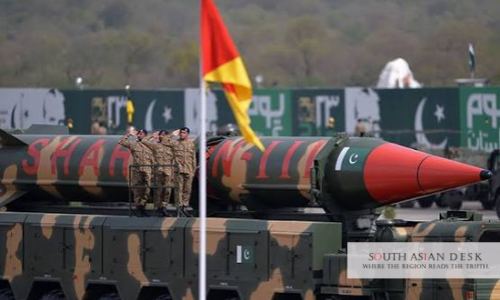
The 1970s mediation efforts during the Iran-Iraq War were a defining moment in Pakistan’s diplomatic history, showcasing its ability to act as a neutral arbiter in a highly contentious conflict. This legacy of mediation has continued into the 21st century, with Pakistan playing a key role in facilitating the 2021 Afghan peace talks between the Taliban and the Afghan government. Additionally, Pakistan’s nuclear program has been a subject of international scrutiny, with Islamabad advocating for a nuclear-free South Asia while maintaining its strategic deterrence capabilities.
The current visit by Army Chief Munir can be seen as a continuation of this historical pattern, reinforcing Pakistan’s role as a mediator in a region where tensions between major powers often spill over into regional conflicts. By engaging with Iran during a period of heightened U.S. pressure, Pakistan may be seeking to reinforce its own strategic position while contributing to broader regional stability.
Follow SouthAsianDesk on X, Instagram and Facebook for insights on business and current affairs from across South Asia.
This report focuses on Pakistan Army Chief visit Tehran and the verified developments surrounding it.
Sources
- Pakistan Army chief Asim Munir to visit Tehran on August 24: Iran – thehindu.com
- Iran says Pakistan’s army chief to visit Tehran on Monday – ariananews.af
Image: th-i.thgim.com