Pakistan Early Warning Systems: Pakistan is rolling out 286 early warning systems across its northern Gilgit-Baltistan region and the northwestern Khyber Pakhtunkhwa province under a $37 million initiative, according to state media reports on Sunday, as the government works to strengthen preparedness against glacial lake outburst floods and other climate-related hazards. The installation forms part of the GLOF-II project, which is being financed to protect communities in some of the country’s most exposed mountain valleys.
Pakistan is widely considered one of the nations most vulnerable to climate change and has experienced increasingly erratic weather events in recent years, including heatwaves, droughts, cyclones, extreme rainfall and floods. The push to expand the network of Pakistan early warning systems reflects growing recognition within government that reactive disaster response is no longer sufficient given the scale and frequency of climate hazards the country now faces.
Pakistan Early Warning Systems – GLOF-II Project Targets Most Vulnerable Valleys
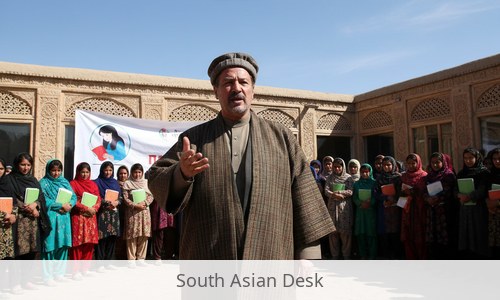
Under the GLOF-II project, the government is installing early warning systems in 24 vulnerable valleys, of which 18 are located in Gilgit-Baltistan and six in Khyber Pakhtunkhwa, according to the state-run Associated Press of Pakistan news agency, which cited an official document outlining the initiative. The document places the total cost of the project at $37 million, funding intended to cover the installation and ongoing maintenance of monitoring equipment in some of the country’s most flood-prone glacial regions.
The current effort builds on an earlier programme, GLOF-I, which ran from 2011 to 2016 and was funded by the United Nations Adaptation Fund. That initial project was designed to help safeguard vulnerable communities in Gilgit-Baltistan and in Khyber Pakhtunkhwa’s Chitral district against glacial lake outburst floods, laying much of the groundwork for the expanded system now being deployed.
Rising Toll From Monsoon Rains and Flooding
The urgency behind the expansion is underscored by the human cost of this year’s monsoon season. At least 155 people have been killed and more than 460 others injured in rain-related incidents since the season began in June, according to figures from the National Disaster Management Authority. The toll adds to a pattern of increasingly severe flooding that has affected Pakistan in recent years, placing sustained pressure on the government to invest in early detection and response infrastructure.
Last year, monsoon rains and flooding killed more than 1,000 people across the country and caused widespread damage to homes, roads, agricultural land and public infrastructure, with Punjab among the hardest-hit provinces. The scale of that disaster followed an even more catastrophic flood in 2022, when record monsoon rains combined with glacial melt to trigger flooding that killed more than 1,700 people, affected over 33 million people and caused an estimated $30 billion in economic losses, making it one of the worst natural disasters in Pakistan’s history.
Building Long-Term Resilience to Glacial Lake Outburst Floods
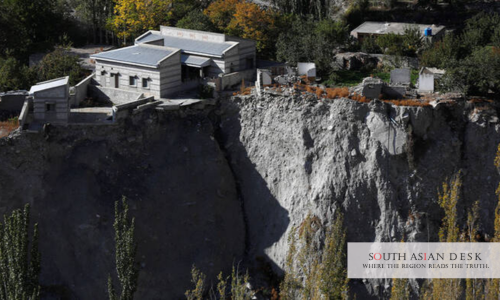
The expansion of early warning infrastructure across Gilgit-Baltistan and Khyber Pakhtunkhwa reflects a broader shift toward long-term resilience planning rather than relying solely on emergency response once flooding has already begun. Glacial lake outburst floods, in particular, pose a distinct challenge because they can occur with limited warning when glacial lakes breach their natural barriers, sending sudden and often destructive volumes of water downstream into populated valleys.
By expanding coverage to 24 of the country’s most vulnerable valleys, authorities aim to give communities more time to evacuate and take precautionary measures before a glacial lake outburst flood or other climate hazard strikes. Given Pakistan’s continued exposure to erratic weather patterns, the success of the GLOF-II project is likely to be closely watched as a test of whether expanded early warning capacity can meaningfully reduce casualties and economic losses in the years ahead.
Published in SouthAsianDesk, August 17th, 2026
Follow SouthAsianDesk on X, Instagram and Facebook for insights on business and current affairs from across South Asia.