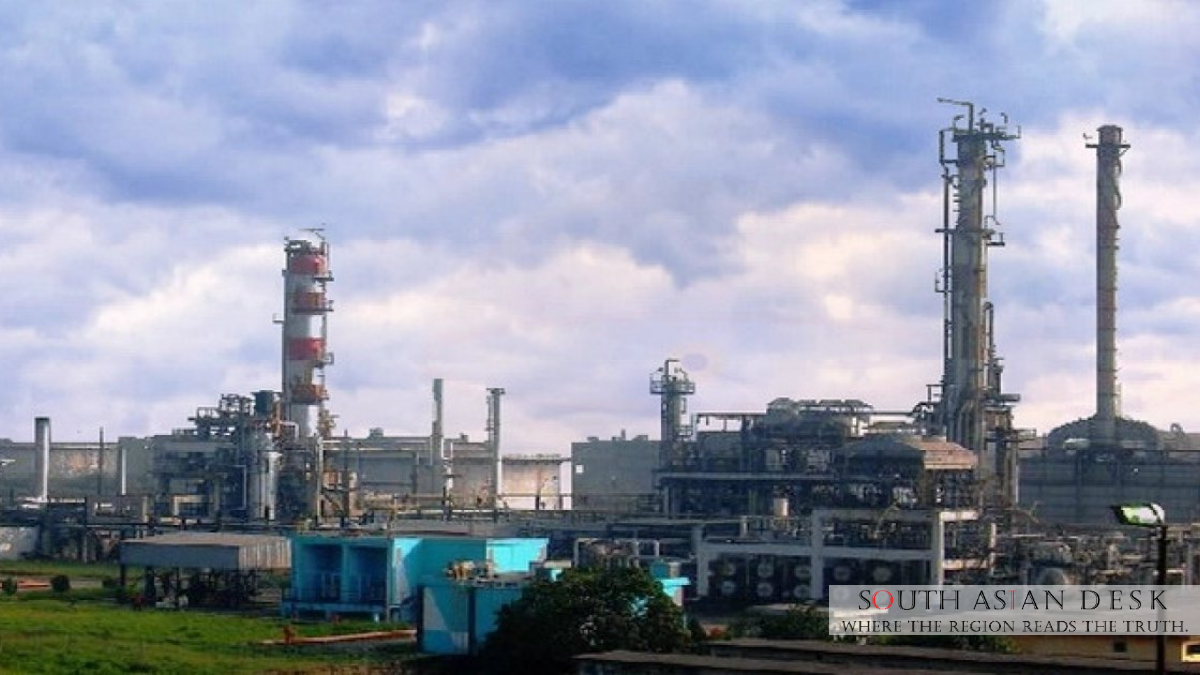
Pakistan Iran oil and gas imports are under consideration as Islamabad explores cheaper energy supplies from Tehran, Petroleum Minister Ali Pervaiz Malik has said.
The minister’s remarks come at a time when global oil markets remain volatile after months of instability in the Middle East and renewed uncertainty around shipping through the Strait of Hormuz. Pakistan, which relies heavily on imported fuel, has been looking for ways to reduce energy costs and protect consumers from sudden price shocks.
Iran has long offered Pakistan access to cheaper oil, gas and electricity. But sanctions, payment restrictions, infrastructure gaps and diplomatic pressure have repeatedly prevented the two neighbours from turning those offers into large-scale formal trade.
Pakistan Iran Oil and Gas Imports Depend on Sanctions Clarity
Any move toward Pakistan Iran oil and gas imports will depend heavily on the status of US sanctions. Washington recently issued a temporary 60-day general licence allowing the production, delivery and sale of Iranian oil and related products as part of the broader US-Iran diplomatic framework.
That temporary waiver has opened a short window for countries to examine Iranian energy purchases more seriously. However, the waiver is time-bound and remains vulnerable to renewed tensions between Washington and Tehran.
For Pakistan, this means any deal with Iran would need to be structured carefully. Islamabad cannot afford a transaction that exposes its banks, refineries, shipping companies or state entities to secondary sanctions once the waiver period ends or if the diplomatic process collapses.
Cheap Iranian Oil Could Ease Pakistan’s Import Bill
Cheap Iranian oil is attractive for Pakistan because the country’s fuel import bill places constant pressure on foreign exchange reserves, inflation and electricity generation costs.
Pakistan imports most of its crude oil and liquefied natural gas, and disruptions in the Gulf quickly affect domestic fuel prices. The country also lacks large strategic petroleum reserves, leaving it exposed whenever conflict, shipping risks or insurance costs rise.
If Iranian crude or refined fuel becomes legally and commercially available at a discount, Pakistan could reduce part of its import burden. Lower landed fuel costs may also help the government limit increases in petrol, diesel and electricity prices.
But price alone will not decide the matter. Pakistan would also have to assess refinery compatibility, transport routes, insurance, payment mechanisms and whether Iranian supplies can be sustained reliably.
Iranian Gas for Pakistan Remains a Larger Question
The bigger and more complicated issue is Iranian gas for Pakistan. The long-delayed Iran-Pakistan gas pipeline has remained stuck for years because of sanctions risks and financing constraints.
Iran has completed much of its side of the project, but Pakistan’s portion has faced delays. Islamabad has previously argued that sanctions uncertainty makes implementation difficult, while Tehran has pressed Pakistan to fulfil its commitments.
If sanctions relief becomes more durable, the gas pipeline could return to the policy agenda. However, Pakistan would still need to consider whether the gas price, demand outlook and infrastructure costs make the project viable.
The government is also managing changing energy demand at home. LNG demand has fluctuated, power-sector consumption has been affected by high tariffs, and industrial users have increasingly looked for alternative energy sources. That makes long-term gas commitments more complicated than a short-term oil purchase.
Pakistan’s Energy Security Concerns Grow
The renewed debate over Pakistan Iran oil and gas imports reflects a broader concern: Pakistan’s energy system remains highly exposed to external shocks.
Much of Pakistan’s oil and LNG supply depends on Gulf shipping routes. Any disruption near the Strait of Hormuz can increase freight, insurance and import costs. Earlier regional tensions forced Pakistan to examine alternative routes, spot LNG purchases and domestic production options.
The government has also been discussing strategic petroleum reserves and bonded storage to reduce vulnerability. But such measures take time, money and coordination with foreign suppliers.
In the short term, cheaper Iranian energy is tempting. In the long term, Pakistan needs a more resilient supply strategy that includes storage, diversified import sources, domestic exploration, refinery upgrades and better demand management.
A Political and Economic Balancing Act
Pakistan’s interest in Iranian oil and gas is not new, but the current moment is unusual. Temporary sanctions relief has created an opening, while high energy costs have increased pressure on the government to find cheaper supplies.
Still, Islamabad must balance three priorities: securing affordable fuel, avoiding sanctions exposure and maintaining relations with key partners in the Gulf and the West.
That is why officials are likely to move cautiously. A formal deal with Iran would require legal clarity, banking arrangements and confidence that the sanctions environment will not suddenly reverse.
For now, Pakistan is considering the option rather than announcing a final decision. If the sanctions waiver holds and pricing is attractive, Pakistan Iran oil and gas imports could become a serious part of the country’s energy discussion. If regional tensions return, the proposal may once again remain on paper.
Published in SouthAsianDesk, June 28, 2026
Follow SouthAsianDesk on X, Instagram and Facebook for insights on business and current affairs from across South Asia.