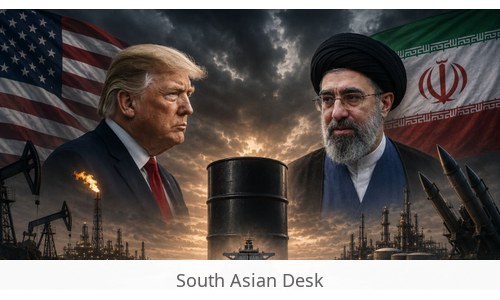
Pakistan Iran US talks have taken a pivotal turn as Pakistan’s army chief and interior minister visited Tehran on August 25, 2026, for discussions on the Iran-US conflict. Al Jazeera reports that these meetings marked a critical moment in regional negotiations, with Pakistan emphasizing its role as a mediator between the two nations. The Indian Express notes that Iran has warned of a tit-for-tat response to US economic sanctions, complicating the geopolitical landscape.
Pakistan Iran US talks: Diplomatic Efforts and Regional Implications
Pakistan’s diplomatic mission to Tehran underscored its strategic position in navigating tensions between Iran and the United States. The talks, led by senior officials, focused on de-escalation measures and potential pathways for dialogue. Pakistan’s role as a mediator has been critical, given its historical ties with both nations. The Indian Express highlights that Iran’s threats of retaliatory actions against US sanctions could challenge Pakistan’s efforts to maintain stability in the region.
Pakistan’s geopolitical positioning as a bridge between South Asia and the Middle East has long made it a key player in regional diplomacy. Its historical relationships with both Iran and the United States—rooted in shared security concerns, trade routes, and energy interests—have positioned it to mediate in high-stakes conflicts. This visit to Tehran builds on previous diplomatic engagements, including Pakistan’s role in facilitating dialogue during the 2020 nuclear tensions between Iran and the US. However, the current context is more complex, with rising regional rivalries and shifting global alliances.
The Indian Express notes that Iran’s threats of retaliatory actions against US sanctions could challenge Pakistan’s efforts to maintain stability in the region. These tensions are not isolated; they are part of a broader pattern of US-Iranian friction that has persisted since the 2018 withdrawal from the Joint Comprehensive Plan of Action (JCPOA). Pakistan’s ability to mediate effectively depends on its capacity to balance the competing interests of both nations while safeguarding its own regional security.
Iran’s Response to US Sanctions
Iran has escalated tensions by threatening a tit-for-tat response to US economic sanctions, as reported by The Indian Express. These sanctions, targeting Iran’s oil exports and financial institutions, have prompted Iran to warn of disrupting the Strait of Hormuz, a vital global oil chokepoint. Pakistan’s diplomatic strategy now involves balancing these threats while ensuring regional stability. The Indian Express notes that such escalations could complicate Pakistan’s efforts to mediate between the two nations.
The Strait of Hormuz, through which approximately 20% of the world’s seaborne oil trade passes, is a critical artery for global energy security. Iran’s warning to disrupt this passage is a calculated move to pressure the US into reconsidering its sanctions, which have severely impacted Iran’s economy. However, such a move could trigger a broader regional crisis, with potential repercussions for global oil prices and maritime security. Pakistan, which relies on stable regional trade routes for its energy imports, faces a dilemma in managing these tensions without destabilizing its own economic interests.
The Indian Express highlights that Iran’s threats are not merely symbolic; they reflect a broader strategy to leverage its strategic position in the Persian Gulf. By targeting the Strait of Hormuz, Iran aims to force the US into negotiations on more favorable terms. However, this approach risks further isolating Iran and escalating hostilities with the US and its allies. Pakistan’s role in this dynamic is to ensure that such escalations do not spill over into South Asia, where regional stability is already fragile due to ongoing conflicts and economic challenges.
Communication with Former President Trump
Prior to the Tehran visit, Pakistan’s Munir engaged in communication with former US President Donald Trump, as stated by Ariana News. While details of their conversation remain unclear, this interaction highlights the complex dynamics of US-Pakistan relations. The Indian Express suggests that Trump’s influence on US foreign policy could impact the trajectory of these diplomatic talks, though the extent of this influence remains uncertain.
Trump’s tenure as US president was marked by a confrontational approach to Iran, including the 2018 withdrawal from the JCPOA and the imposition of stringent sanctions on Iran. His administration’s policies often prioritized a hardline stance on Iran, which has left lasting impressions on US-Iran relations. Pakistan’s outreach to Trump, even after his departure from office, may reflect an attempt to leverage his influence on current US policymakers or to signal a willingness to engage with former US leaders who have shaped the current geopolitical landscape.
The Indian Express notes that the significance of this communication lies in the potential for Trump’s past policies to inform current US strategies toward Iran. While the US has seen a shift in leadership since Trump’s term, his legacy continues to influence debates on Iran policy. Pakistan’s engagement with Trump may also be seen as an effort to reinforce bilateral ties, particularly in light of ongoing security concerns and regional challenges.
Pakistan diplomacy and the Path Forward
Pakistan’s diplomacy in the context of the Iran-US conflict is a delicate balancing act. The country’s efforts to foster diplomatic progress Iran US have been met with both challenges and opportunities. As a regional power, Pakistan must navigate the competing interests of its neighbors and global actors while ensuring that its own security and economic interests are protected. The Indian Express emphasizes that Pakistan’s success in these talks will depend on its ability to maintain trust with both Iran and the US, even as tensions remain high.
The ongoing Pakistan Iran US talks have also drawn attention to the broader issue of regional stability. With the Strait of Hormuz at risk of disruption and the potential for wider conflict, Pakistan’s role as a mediator is more critical than ever. The Indian Express reports that regional stability is a key concern for all stakeholders, and any escalation could have far-reaching consequences for the entire region.
The Munir Trump communication has added another layer of complexity to these discussions. While the details of their conversation remain unclear, the fact that Pakistan has reached out to a former US president underscores the importance of maintaining open channels of communication, even in the face of geopolitical tensions. This move may also signal a desire to explore alternative avenues for resolving the Iran-US conflict, beyond traditional diplomatic channels.
Follow SouthAsianDesk on X, Instagram and Facebook for insights on business and current affairs from across South Asia.
Sources
- Pakistan says significant progress made in talks on Iran-US war – aljazeera.com
- ‘Fully prepared’: Iran threatens tit-for-tat move with oil chokehold as US widens economic sanctions – indianexpress.com
- Pakistan’s Munir spoke to Trump ahead of Tehran visit, sources say – ariananews.af
Image: images.indianexpress.com