Pakistan-US-Iran mediation has shown signs of possible progress, with the military’s spokesperson expressing cautious optimism following a series of high-level diplomatic contacts aimed at ending the conflict between Washington and Tehran.
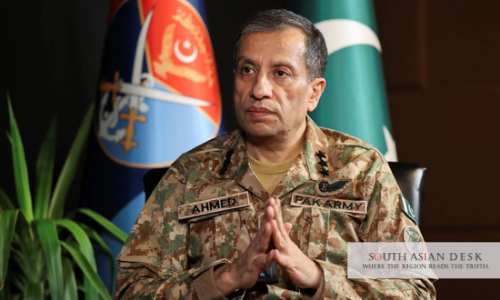
Inter-Services Public Relations (ISPR) Director General Lieutenant General Ahmed Sharif Chaudhry said Pakistan remained hopeful that its efforts could help bring the United States and Iran closer to a negotiated settlement. He made the remarks in an interview with Reuters in Rawalpindi on Friday, October 30, following a visit to Tehran by a senior Pakistani-led delegation.
Chief of Defence Forces and Chief of Army Staff Field Marshal Asim Munir has visited Tehran twice this month, most recently on Monday, accompanied by Saudi Defence Minister Prince Khalid bin Salman and Turkish intelligence chief Ibrahim Kalin.
Asked whether the visits indicated progress, Lt Gen Chaudhry said the repeated engagements were a positive sign, while stressing that Pakistan remained cautiously optimistic.
The latest diplomatic activity comes amid continuing hostilities and growing concerns that the conflict could expand across the Middle East. Pakistan has sought to maintain communication between the two sides, presenting mediation as a means of preventing further escalation and restoring regional stability.
Pakistan-US-Iran Mediation and the Latest Tehran Visit
The latest visit to Tehran brought together officials from Pakistan, Saudi Arabia and Turkiye, all of which are members of the Makkah Defence Alliance.
It marked the first high-level contact between Iran and all members of the alliance since Saudi Arabia became more directly involved in the conflict.
Field Marshal Munir’s visit was part of Pakistan’s ongoing efforts to facilitate dialogue between Washington and Tehran. However, Lt Gen Chaudhry declined to disclose the substance of the discussions or confirm whether the United States had supported the latest diplomatic engagement.
He also warned that there were powerful spoilers and detractors who believed the continuation of the conflict served their interests. He did not identify the individuals or groups he was referring to.
The comments underscore the difficulties facing Pakistan’s mediation efforts. While diplomatic contacts have continued, the parties have yet to announce a breakthrough or a formal agreement that would bring the conflict to an end.
Makkah Defence Alliance and Regional Security
The Tehran discussions also brought renewed attention to the Makkah Defence Alliance, a security agreement signed by Pakistan, Saudi Arabia and Turkiye on August 7.
The agreement provides for collective deterrence, with an armed attack against one member considered an attack against all. Its significance has increased as the Iran conflict has reshaped regional security arrangements and raised concerns about a wider confrontation.
Asked whether Iran could eventually join the alliance, Lt Gen Chaudhry said the agreement did not exclude new members. He added that countries sharing a commitment to collective deterrence and regional peace would be welcome, although any decision would rest with the political leadership of the existing members.
The possibility of Iran joining the alliance remains speculative. No formal decision or invitation has been announced.
The military spokesperson also reaffirmed Pakistan’s commitment to defending Saudi Arabia and the holy sites of Makkah and Madina. However, he said any additional deployment of Pakistani troops to the kingdom would depend on the circumstances and decisions of the two countries’ political leadership.
He also clarified that Pakistan was not involved in the conflict in Yemen, describing it as an internal Yemeni conflict.
The comments reflect Islamabad’s effort to maintain its security commitments to Saudi Arabia while continuing diplomatic engagement with Iran.
Pakistan Seeks to Prevent Further Regional Escalation
Pakistan’s mediation efforts have taken place against a backdrop of growing regional tensions, with the conflict raising concerns about the security of neighbouring countries and the possibility of a broader Middle East war.
Islamabad has maintained that a negotiated settlement is the most viable route towards ending hostilities. Its diplomatic engagement has involved repeated visits to Tehran, contacts with regional partners and efforts to keep communication channels open between the United States and Iran.
The latest Tehran visit suggests that Pakistan is continuing to pursue this approach despite the absence of a publicly confirmed breakthrough.
However, the military spokesperson’s comments also indicate that Islamabad recognises the risks facing the diplomatic process. His reference to actors who may benefit from continued conflict highlights the possibility that efforts to reduce tensions could face opposition from parties with an interest in prolonging hostilities.
The challenge for Pakistan will be to maintain its role as a mediator while ensuring that its own regional security commitments do not undermine confidence in its diplomatic efforts.
What the Latest Talks Mean for US-Iran Peace Efforts
The repeated visits by Field Marshal Munir to Tehran have raised hopes that Pakistan’s diplomatic engagement could help create conditions for renewed negotiations.
Nevertheless, the military spokesperson’s cautious language reflects the uncertainty surrounding the process. The discussions have not yet produced a publicly announced agreement, and the details of the latest meetings remain undisclosed.
The involvement of Saudi and Turkish officials adds another dimension to the diplomatic effort, particularly as regional countries seek to prevent the conflict from spreading further.
For Pakistan, the priority remains to encourage dialogue and prevent further escalation. Its diplomatic role also carries implications for relations with both Washington and Tehran, as well as its wider security commitments in the region.
The latest statements suggest that Islamabad sees some grounds for optimism, but the outcome will depend on whether the United States and Iran are willing to resume meaningful negotiations and address the differences that have prolonged the conflict.
Until then, Pakistan’s mediation remains an ongoing diplomatic effort rather than a confirmed path to a settlement.
Follow SouthAsianDesk on X, Instagram and Facebook for insights on business and current affairs from across South Asia.