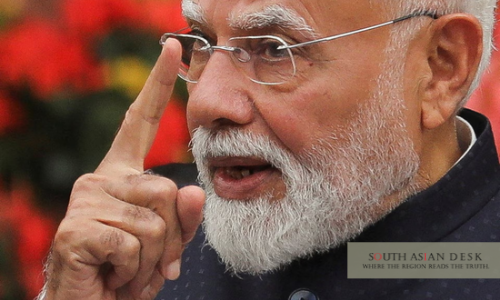
The parliament expansion bill is set to return to India’s legislature next week, as Prime Minister Narendra Modi’s government makes a second attempt to pass a measure that would enlarge both the national parliament and regional assemblies while accelerating plans to reserve one-third of seats for women. Government sources said the cabinet approved the new bill on Friday, clearing the way for it to be taken up when parliament convenes on Monday.
What the Parliament Expansion Bill Proposes
According to the sources, the legislation would increase the number of lawmakers in the lower house by 50 per cent by the time of the next parliamentary election, which is due in 2029. It would also entail a similar expansion of regional assemblies across the country. The sources added that the revision would remain frozen until 2051, which suggests that the new structure is intended to apply over several election cycles.
The proposal carries particular weight because of its link to the women’s quota. India’s parliament does not currently reserve any seats for women. A one-third reservation was agreed in legislation passed in 2023, but it was tied to the next census, which is still under way. That linkage would have pushed the introduction of the quota beyond the 2029 election. By pairing the quota with the expansion of the legislature, the new bill is designed to bring forward the changes that the 2023 law had left dependent on the census.
Why the First Attempt Failed in April
This is not the first time the government has tried to pass the legislation. An initial bid failed in April, when the bill did not secure enough votes in parliament. Because it seeks to alter the structure of the legislature, the bill requires a two-thirds majority, a threshold that the government was unable to reach on that occasion.
Opposition groups argued at the time that the mass redrawing of constituency boundaries that the bill entailed was an effort by the government to manipulate the system in its own favour. The government dismissed that accusation. It maintained that the constituency changes were necessary to reflect shifts in the population since seats were last fixed on the basis of the 1971 census.
Signs of Growing Support
The decision to bring the measure back so soon suggests a degree of confidence in the government’s camp. Analysts say the move indicates that the government believes it can now secure the required numbers, noting that more regional parties have signalled a willingness to extend their support than was the case in April. Even so, the outcome will not be known until the vote, and the need for a two-thirds majority means that the support of parties outside the ruling alliance will remain essential.
The timing is also notable. The revival of the legislation comes only months before elections in Uttar Pradesh, India’s most populous state, where the question of women’s representation and the fairness of constituency boundaries could feature prominently in political debate.
A Test of Political Strength
Beyond its technical provisions, the parliament expansion bill will serve as a test of Narendra Modi’s political strength. His government has faced mounting pressure after a series of protests and setbacks, and it is also contending with a resurgent opposition that is seeking to capitalise on public discontent. A successful vote would allow the government to demonstrate that it retains the ability to build the broad support needed for a major constitutional change. A second failure, by contrast, would reinforce the narrative of a government under strain.
For now, attention will turn to parliament on Monday, when lawmakers are expected to take up the bill. Whether the government can assemble the two-thirds majority that eluded it in April will determine not only the future size of the lower house but also how soon women in India can expect to see a reserved share of seats become a reality.
Follow SouthAsianDesk on X, Instagram and Facebook for insights on business and current affairs from across South Asia.
Read More: