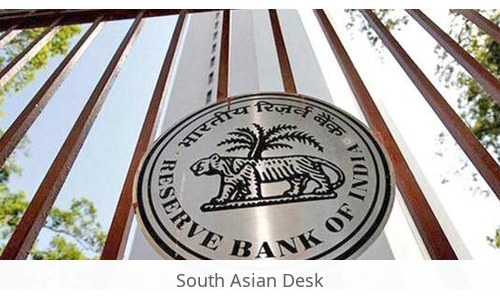
RBI interest rate hikes are at the forefront of economic discussions following the Reserve Bank of India’s Monetary Policy Committee (MPC) meeting on August 19, 2026. The MPC confirmed that the scope for further easing does not seem to exist at the current juncture, as highlighted in minutes released.
The MPC minutes, as noted by The Indian Express, also underscore a risk of rate hikes as inflation in India continues to rise, signaling a potential hardening of monetary policy. This development has significant implications for consumer spending India and investment decisions India, with broader economic impact South Asia.
RBI interest rate hikes: Implications for Consumer Spending
Higher interest rates could lead to increased borrowing costs for consumers, potentially reducing disposable income. This may result in a decrease in consumer spending as households face higher loan repayments, particularly affecting sectors reliant on credit such as automobiles and housing. The MPC’s statement that “the scope for any further easing does not seem to exist at the current juncture” suggests that the central bank is prioritizing inflation control over stimulus measures.
This shift could dampen demand for durable goods, as auto loans and home mortgages become more expensive. For instance, a 100-basis-point increase in the repo rate could raise monthly mortgage payments by approximately 15-20% for existing borrowers, according to industry estimates. Such a scenario may force households to cut back on discretionary spending, impacting retail and services sectors that depend on consumer spending India.
Impact on Investment Decisions
Investors may adopt a cautious approach due to uncertain borrowing costs, which could dampen appetite for riskier assets. Sectors sensitive to interest rates, such as real estate and manufacturing, may experience reduced investment flows as capital seeks safer returns. The MPC’s focus on inflation control may also influence corporate borrowing costs, affecting project financing and expansion plans. For example, real estate developers might delay new projects or reduce land acquisitions if loan rates rise, as seen in previous tightening cycles. Similarly, manufacturing firms could face higher input costs if they rely on debt financing, potentially squeezing profit margins.
The Indian Express report on the MPC minutes highlights that the central bank’s risk of rate hikes is tied to persistent inflationary pressures, which could further erode investor confidence in equities and push funds toward government securities or foreign markets. These investment decisions India are critical for sustaining economic growth amid the RBI interest rate hikes.
Regional Economic Dynamics
The RBI’s interest rate policy could have ripple effects across South Asia, influencing trade dynamics and investment flows. Neighboring economies may adjust their monetary policies in response, while cross-border trade could face implications due to shifts in investment patterns and capital movements. For instance, Pakistan and Bangladesh, which have historically relied on India’s economic stability for regional trade, might recalibrate their own interest rate strategies to manage capital outflows or inflation spillovers.
Additionally, India’s tightening stance could strengthen the rupee against regional currencies, affecting export competitiveness for South Asian nations. The context provided in the dossier emphasizes that the RBI’s stance on interest rates is crucial for economic impact South Asia, with broader implications for regional integration initiatives such as the South Asian Free Trade Area (SAFTA). A tighter monetary policy in India might also influence the flow of foreign direct investment (FDI) into the region, as investors reassess risk-return profiles in light of higher borrowing costs.
Broader Economic Context and Policy Considerations
The MPC’s decision to signal potential rate hikes reflects a broader global trend of central banks tightening monetary policy to combat inflation. While India’s inflation trajectory has been influenced by domestic factors such as supply chain disruptions and rising commodity prices, the RBI’s response is also shaped by global conditions, including the Federal Reserve’s rate hikes and energy market volatility.
The central bank’s minutes, indicate a cautious approach to balancing inflation control with growth objectives, a challenge that resonates across South Asia. For example, Nepal and Sri Lanka, which have faced fiscal challenges in recent years, may find it harder to manage their own inflation rates if India’s policy tightening reduces regional liquidity. This interconnectedness underscores the importance of coordinated policy responses among South Asian nations to mitigate spillover effects.
Follow SouthAsianDesk on X, Instagram and Facebook for insights on business and current affairs from across South Asia.
Sources
- RBI’s MPC minutes indicate hardening of interest rates – thehindu.com
- RBI MPC minutes: Policy panel signals rate hike risk as inflation rises – indianexpress.com
Image: th-i.thgim.com