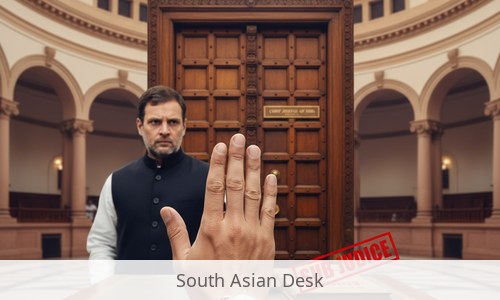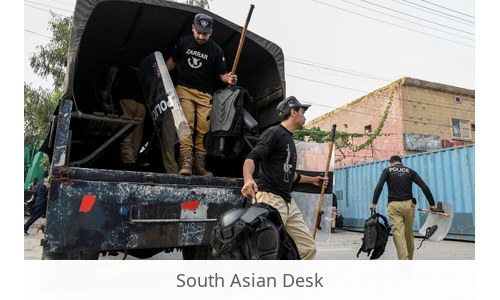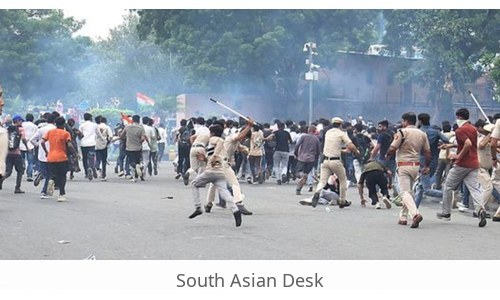
The Supreme Court of India directed the formation of a five-member panel to investigate allegations of police misconduct during the Supreme Court NEET protests, prioritizing claims of harassment against female protesters and serious injuries sustained by demonstrators.
Justice Subhash Reddy will lead the inquiry into police ‘excesses’ during the demonstrations, marking a significant development in addressing student protests accountability for law enforcement actions in India. The directive underscores the judiciary’s role in mediating disputes between citizens and state institutions, particularly in high-profile cases involving public order and civil liberties.
Supreme Court NEET protests: Implications for Future Protests
The establishment of this panel could reshape public trust in law enforcement mechanisms, particularly in contexts involving student activism. Historical precedents show that police actions during protests in India have often been contentious, with allegations of disproportionate force and lack of transparency.
For instance, in 2020, the Supreme Court had ordered an inquiry into the use of force by police during the farmers’ protests in Delhi, which highlighted systemic issues in accountability frameworks. This current investigation may set a precedent for future inquiries into similar incidents, potentially influencing how protests are managed and how accountability is enforced. By mandating a formal review of police conduct, the judiciary may encourage more standardized protocols for handling demonstrations, reducing the likelihood of excessive use of force and ensuring adherence to legal norms.
Societal Impact of NEET Protests
The Supreme Court NEET protests have underscored broader tensions between student activism and state responses, reflecting deeper societal debates about education policy and governance. The National Eligibility cum Entrance Test (NEET) has long been a focal point for disputes over medical education admissions, with critics arguing that the exam disproportionately affects marginalized communities.
The protests, which began in 2025, gained momentum as students and educators raised concerns about the exam’s rigidity and its impact on access to medical education. The judiciary’s intervention highlights its role as a mediator in disputes between citizens and state institutions. As student protests continue to gain momentum across South Asia, the outcomes of this panel’s investigation may provide critical insights into balancing civil liberties with public order. For example, in Pakistan, similar protests over education policies have led to prolonged legal battles, illustrating the regional significance of such issues.
Legal and Institutional Context
The Supreme Court’s decision to form an independent panel reflects a broader trend of judicial oversight in policing practices. In recent years, courts across South Asia have increasingly been called upon to address complaints of police misconduct India, particularly in cases involving vulnerable groups such as women and students.
The panel’s mandate to investigate allegations of harassment against female protesters aligns with growing awareness of gender-based violence in public spaces, a concern that has gained traction in legal and policy circles. This focus on gender-specific grievances may also influence future legal frameworks, potentially leading to more robust protections for women in protest settings. Additionally, the inquiry into serious injuries sustained by demonstrators underscores the need for transparency in documenting and addressing India police actions that result in harm.
Broader Regional Relevance
The Supreme Court NEET protests and the subsequent judicial response have implications beyond India, as similar debates over education policy and student rights are emerging across South Asia. In Bangladesh, for instance, protests against proposed changes to university admission criteria have drawn comparisons to the NEET controversy, highlighting the region-wide resonance of such issues.
The Supreme Court’s intervention in India may serve as a model for other South Asian nations grappling with similar challenges, reinforcing the role of regional judicial systems in addressing public grievances. Furthermore, the panel’s findings could influence cross-border discussions on human rights and policing practices, particularly within frameworks like the South Asian Association for Regional Cooperation (SAARC), where member states often engage in dialogue on shared challenges.
Follow SouthAsianDesk on X, Instagram and Facebook for insights on business and current affairs from across South Asia.
Sources
- Justice Subhash Reddy to lead panel probing police ‘excesses’ during student protests – indianexpress.com
- Supreme Court Sets Up Panel To Probe Cop Action, Violence During NEET Protests – ndtv.com
Image: images.indianexpress.com