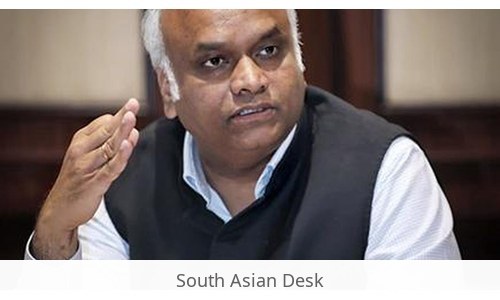
Karnataka’s IT Minister Priyank Kharge stated that recent US Green Card restrictions could significantly enhance India’s technology landscape by increasing local demand for senior professionals and attracting global research initiatives. This shift in policy is expected to reshape the Indian tech workforce and create new opportunities within the sector.
US Green Card Restrictions: Impact on India’s Tech Workforce
The US has barred eight IT firms, including Tata, HCL, and Infosys, from filing for Green Cards, impacting many Indian technology professionals. This policy shift is expected to bring more global research and development mandates to Indian cities, as noted by Kharge. The US Green Card restrictions are anticipated to increase domestic demand for senior technology professionals, prompting Indian tech firms to adapt their talent development strategies. The restrictions, which came into effect following a review of employment-based visa applications, have raised concerns among Indian IT professionals who rely on these pathways for career advancement abroad. However, Kharge emphasized that the move could catalyze a shift in India’s tech ecosystem, reducing reliance on foreign talent and fostering a more self-reliant domestic workforce.
Global Research and Development Opportunities
Kharge highlighted that tighter mobility conditions could accelerate the expansion of global research and development centers in India. Indian cities, particularly Karnataka, are positioned to become attractive hubs for international tech initiatives. This shift may lead to increased investment in high-value tech work, fostering growth within the sector. The minister noted that the policy changes could position India as a global leader in emerging technologies such as artificial intelligence, quantum computing, and cybersecurity. Karnataka, home to the IT capital of India, Bangalore, has already seen a surge in interest from multinational corporations seeking to establish R&D centers in the region. The state government has been proactive in offering incentives to attract foreign investment, including tax breaks and infrastructure support for tech firms.
Strategic Responses from Indian Tech Firms
Indian tech companies are exploring strategies to mitigate the impact of the US Green Card restrictions. Firms like Tata, HCL, and Infosys are likely to focus on developing local talent and enhancing their research capabilities. These measures could have long-term implications for the impact on Indian tech firms, potentially leading to a more self-reliant and innovative ecosystem. The minister emphasized that the current policy changes could catalyze a shift in India’s tech ecosystem. By reducing reliance on foreign talent, the focus will shift toward nurturing Indian technology professionals and building a robust domestic workforce. This aligns with the broader goals of global research and development in India, where the country aims to become a global hub for innovation and high-value tech work.
As global research and development in India gains momentum, the impact on Indian tech firms is expected to be transformative. Companies are already investing in training programs, R&D labs, and partnerships with academic institutions to build a pipeline of skilled professionals. This not only addresses immediate challenges but also positions India as a leader in emerging technologies like AI, quantum computing, and cybersecurity. The Indian tech sector growth narrative is further supported by government initiatives aimed at creating tech-friendly policies, tax incentives, and infrastructure development. Karnataka, in particular, has been proactive in attracting foreign investment and fostering a conducive environment for startups and established firms alike.
The recent changes in US immigration policy have created a unique opportunity for India to strengthen its position in the global tech landscape. By focusing on local talent development and enhancing research capabilities, Indian tech firms can not only mitigate the immediate impacts of these restrictions but also pave the way for long-term growth and innovation. The proactive measures taken by the Karnataka government and the strategic responses from tech companies are expected to play a crucial role in shaping the future of India’s technology sector.
Follow SouthAsianDesk on X, Instagram and Facebook for insights on business and current affairs from across South Asia.
Sources
- US Green Card curbs could accelerate India’s shift to high-value tech work: Karnataka’s IT Minister – thehindu.com
- US Bars Tata, HCL, Infosys Among 8 IT Firms From Green Card Filing. What It Means For Indians – ndtv.com
Image: th-i.thgim.com