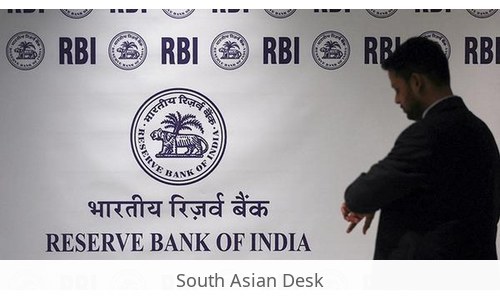
West Asia conflict impact: The Reserve Bank of India (RBI) released a bulletin on August 25, 2026, highlighting how the ongoing conflict in West Asia is affecting Indian business confidence. Despite this, domestic demand in India remains strong, as evidenced by several economic indicators, including robust vehicle and tractor sales, which reflect continued consumer and industrial activity. The bulletin underscores the complex interplay between global geopolitical tensions and India’s economic resilience, highlighting the need for careful monitoring of external shocks while leveraging internal strengths.
West Asia conflict impact: Impact of West Asia Conflict on Oil Prices
The RBI bulletin highlights the relationship between oil prices and inflation in India, a critical factor given the country’s heavy reliance on imported petroleum products. Geopolitical tensions in West Asia have led to fluctuations in global oil prices, which directly impact India’s import costs and, by extension, inflationary pressures. Petroleum product consumption growth in India returned to positive territory after three consecutive months of contraction, signaling a potential stabilization in energy demand. This rebound, however, comes amid heightened volatility in global markets, where supply chain disruptions and speculative trading have amplified price swings.
India’s energy sector is particularly vulnerable to such fluctuations, as the country imports approximately 80% of its crude oil needs. The conflict has exacerbated price volatility in global oil markets, creating uncertainty for refineries, transporters, and consumers. The RBI’s assessment underscores the need for continued monitoring of energy prices and their macroeconomic implications, including potential impacts on the current account deficit and inflation control measures. While the government has implemented measures such as strategic petroleum reserves and price stabilization funds, the long-term sustainability of these strategies remains under scrutiny.
Long-term Effects on Economic Growth
The RBI bulletin also explores the potential long-term effects of geopolitical tensions on India’s economic growth and business sentiment. Sectors such as manufacturing, transportation, and energy are particularly sensitive to changes in business confidence, as global instability can disrupt supply chains, increase input costs, and dampen investment flows. However, the resilience of domestic demand, driven by robust consumer spending and government stimulus packages, suggests that the Indian economy may weather these uncertainties better than anticipated.
The bulletin notes that foreign direct investment (FDI) and trade dynamics could face challenges due to global instability, particularly in key export markets and raw material sourcing. However, India’s robust domestic consumption and policy measures aimed at economic stability—such as infrastructure development, tax reforms, and financial sector resilience—are expected to mitigate some of these risks. The RBI remains cautiously optimistic about the outlook for the Indian economy, emphasizing the importance of diversifying energy sources and strengthening regional trade partnerships to reduce vulnerability to external shocks.
The conflict’s ripple effects extend beyond energy markets, influencing broader economic sentiment. Business confidence, a key driver of investment and production, has been weighed down by uncertainty over global trade routes and the potential for prolonged instability in West Asia. However, India’s strong fiscal position and proactive policy responses, including targeted support for small and medium enterprises, have helped maintain momentum in key sectors. The RBI’s analysis suggests that while short-term disruptions are inevitable, the structural strengths of the Indian economy—such as a young workforce, growing middle class, and expanding digital infrastructure—provide a buffer against prolonged external shocks.
West Asia conflict impact: As the RBI bulletin underscores, the interplay between global tensions and domestic resilience will shape India’s economic trajectory in the coming months. The government’s focus on domestic demand in India and strategic energy policies will be critical in navigating the challenges posed by the West Asia conflict impact.
Follow SouthAsianDesk on X, Instagram and Facebook for insights on business and current affairs from across South Asia.
Sources
- West Asia conflict weighing on business confidence: RBI Bulletin – thehindu.com
- Indian economy resilient amid global uncertainties, says RBI – indianexpress.com
Image: th-i.thgim.com