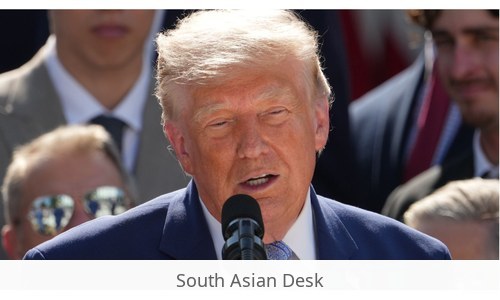
On July 24, 2026, U.S. Trade Representative Jamieson Greer announced the 10% tariff on Indian goods, citing forced labour concerns as the primary justification. This decision, made under Section 301 of the Trade Act, affects 60 countries, including India, and comes a day before the expiration of previous 10% additional levies on all nations. India has successfully negotiated to avoid a larger tariff hike through diplomatic negotiations, highlighting the complexities of India U.S. relations in the context of U.S. trade policy.
10% tariff on Indian goods: Impact on India’s Export Economy
The 10% tariff on Indian goods will directly affect India’s export economy, particularly in sectors reliant on U.S. markets. Key industries such as textiles, pharmaceuticals, and information technology services, which collectively account for a significant share of India’s exports to the U.S., face heightened scrutiny. Analysts note that while the 10% rate is lower than initially feared, the potential disruptions in trade flows and increased costs for Indian exporters could lead to a reevaluation of supply chain strategies. For instance, textile manufacturers, which export garments and fabrics to the U.S., may need to adjust production costs or seek alternative markets.
The Indian government has not yet announced retaliatory measures, but officials have emphasized the need for dialogue to address U.S. concerns about forced labour concerns. This includes potential reforms in labor inspection mechanisms and adherence to international standards such as those set by the International Labour Organization (ILO). The tariff impact on exports is expected to be felt most acutely in sectors with thin profit margins, potentially reshaping India’s trade dynamics with the U.S.
India’s Diplomatic Efforts
Indian diplomats engaged in sustained negotiations with U.S. officials to mitigate the result. Key discussions involved clarifying India’s compliance with international labour standards and addressing U.S. concerns about specific industries. The Indian Ministry of Commerce and Industry, along with the Ministry of External Affairs, played central roles in these talks. Officials highlighted India’s commitment to resolving issues through bilateral channels rather than escalating trade tensions. The negotiations reportedly included detailed presentations on India’s labor laws, including the 1948 Factories Act and subsequent amendments, which aim to ensure fair wages, safe working conditions, and protections against forced labour concerns.
Additionally, India emphasized its efforts to combat child labor and improve working conditions in sectors such as agriculture and manufacturing, which are often cited in U.S. trade disputes. These efforts underscore the importance of diplomatic negotiations in maintaining stable India U.S. relations amid evolving U.S. trade policy.
Broader Implications for Global Trade
The U.S. tariff decision reflects broader trends in U.S. trade policy, where developed economies increasingly scrutinize labour practices in developing nations. This move may encourage other countries facing similar tariffs to adopt stricter compliance measures or seek diplomatic resolutions. For South Asia, the case underscores the region’s vulnerability to U.S. trade policies and the importance of multilateral engagement in trade negotiations.
The imposition of tariffs on 60 countries, including India, signals a shift in U.S. trade strategy towards enforcing forced labour concerns as a condition for market access. This could lead to a ripple effect, with other nations in the Global South facing similar pressures to align with Western labor norms. For India, the challenge lies in balancing its economic interests with the need to meet international expectations, a task that requires sustained dialogue and policy reforms. The tariff impact on exports may also influence India’s trade strategies with other major economies, as it seeks to diversify its export markets to mitigate the effects of the the result.
Follow SouthAsianDesk on X, Instagram and Facebook for insights on business and current affairs from across South Asia.
Sources
- US imposes 10% tariff on Indian goods over forced labour: How India avoided a bigger hike – indianexpress.com
- U.S. slaps 10% tariffs on goods imported from India over issue forced labour – thehindu.com
- US Imposes New Tariffs On 60 Countries Over Forced Labour Concerns: Report – ndtv.com
- US readies new global tariff wave – dawn.com
Image: images.indianexpress.com