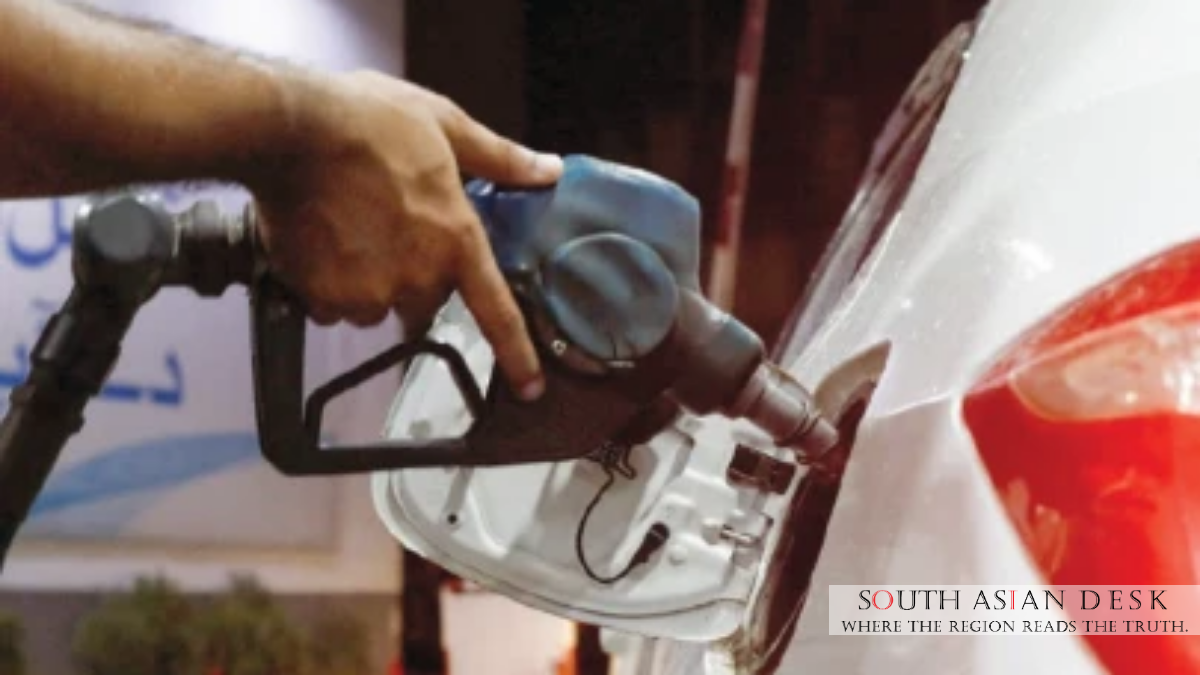
The Pakistan fuel relief scheme has drawn about 1.75 million registrations in less than a week, and more than 655,000 people have already received subsidised petrol, as high energy prices squeeze households during the US-Iran conflict. Information Technology Minister Shaza Fatima Khawaja disclosed the figures at a news conference in Islamabad on Saturday.
According to the minister, 655,067 people had obtained fuel under the programme by the end of the registration period covered in her briefing, which ran from 14 to 19 September. The numbers suggest strong demand among consumers who have faced a series of price increases since the conflict began.
How the Pakistan Fuel Relief Scheme Works
The government launched the Rs75 billion ($271 million) programme on 14 September to cushion lower-income consumers from a surge in fuel costs. That surge followed disruption to global energy supplies and shipping routes. The scheme offers subsidies to users of motorcycles, three-wheelers and cars with engines of up to 800cc.
Ms Khawaja said 91.6 percent of registrations were for two- and three-wheelers, including motorcycles, rickshaws and Qingqi vehicles. She said this indicated that the overwhelming majority of applicants use cheaper modes of transport, which is consistent with the stated aim of protecting lower-income households.
Registrations Climb Sharply Each Day
Daily registrations rose steeply after the launch. The minister said 38,974 people registered on 14 September, followed by 149,412 the next day and 349,935 on 16 September. A further 385,406 registered on 17 September, while 18 September was the busiest day so far, with 511,961 registrations.
Uptake of fuel tokens has followed a similar pattern. Ms Khawaja said 487,196 fuel tokens were issued on 18 September alone, and 121,991 tokens had been issued for cars with engines of up to 800cc.
Fuel Prices in Pakistan Remain Elevated
The government approved the relief programme after a steep rise in petroleum prices. The US-Iran conflict has disrupted energy shipments through the Strait of Hormuz and contributed to higher international oil and gas costs. Pakistan relies heavily on imported energy and has been particularly vulnerable to the disruption.
Petrol currently costs Rs389.14 ($1.40) per litre, while high-speed diesel costs Rs424.04 ($1.53), after the government made small reductions on Friday. Fuel prices in Pakistan nonetheless remain sharply elevated following the series of increases since the conflict began.
The relief programme forms part of wider measures to limit the economic impact of the energy shock. These include a 50 percent reduction in fuel allocations for government vehicles for three months, along with curbs on other official expenditure.
Minister Warns Applicants on Personal Data
As registrations accelerate, Ms Khawaja urged citizens to guard their personal information. She advised applicants never to share sensitive data with unauthorised people or sources, and to register only through the officially prescribed channels.
With demand still rising and prices well above their earlier levels, the Pakistan fuel relief scheme is likely to remain a central part of the government’s response for as long as disruption to energy shipments continues.
Published in SouthAsianDesk, September 20th, 2026
Follow SouthAsianDesk on X, Instagram and Facebook for insights on business and current affairs from across South Asia.