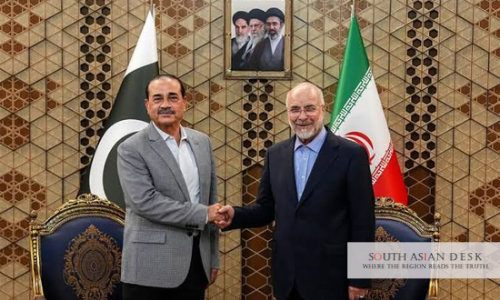
Pakistan mediation efforts between Washington and Tehran were the focus of a meeting on Tuesday between Iranian President Masoud Pezeshkian and Pakistan’s army chief, Field Marshal Asim Munir, in the Iranian capital. Iran’s Nournews reported that the two men discussed mediation and regional developments, a report carried by Reuters. Munir also met Iranian parliament Speaker Mohammad Bagher Qalibaf.
What Was Reported From the Meeting
Details of the talks remain limited and rest largely on Iranian media. Pakistani confirmation of the visit had not been issued when Iran’s semi-official Tasnim news agency first reported that Munir was due in Tehran, according to The New Arab. Both the president’s meeting and the session with Qalibaf were described only in general terms as focused on mediation and the regional situation.
Iranian Supreme National Security Council Secretary Mohsen Rezaei also met the Pakistani delegation. According to the Jerusalem Post, citing Iranian media, he said all of Iran’s enriched nuclear material would remain inside the country and that Tehran would not negotiate until its conditions were met.
Tehran’s Conditions
Reuters reported that Iran’s conditions include, among other demands, the lifting of the US blockade on its ports, the lifting of US sanctions on its oil exports, and an end to hostilities on all regional fronts. The conditions underline how far apart the two sides remain, even as fighting between Iran and the United States continues.
The New Arab, citing unnamed sources familiar with the mediation, reported that Munir carried a new “middle-ground proposal” prepared by Pakistan and Qatar, which the sources said had US approval and prior Iranian approval. The reported plan would release about $6 billion in Iranian funds frozen in Qatari banks as a partial response to Iran’s demand for the return of its assets. The report is based on anonymous sourcing, and neither government had publicly confirmed these details at the time of writing.
Where Pakistan Mediation Efforts Stand
Pakistan has been a central intermediary in the US-Iran conflict for months. Reuters noted that earlier Pakistani mediation produced an interim peace agreement signed in June, known as the Islamabad Memorandum, which faltered quickly when fresh fighting broke out between Iran and the United States a few weeks later.
The diplomacy began earlier in the year. Pakistan helped broker a 14-day ceasefire on April 8 and, days later, hosted negotiators from both sides in Islamabad, where talks led by US Vice President JD Vance failed to produce a deal, largely over differences on Iran’s nuclear programme. Munir has since travelled to Tehran several times, including in April, May and August. Analysts have attributed Pakistan’s role partly to the relationships that Munir and Prime Minister Shehbaz Sharif have built with US President Donald Trump, alongside Islamabad’s longstanding contacts with Tehran and the Gulf.
Why the Latest Visit Matters
The timing is significant. The June accord has broken down, and the New Arab described a flurry of diplomatic visits aimed at preventing a return to all-out war. For Pakistan, the stakes are both diplomatic and strategic, since it shares a long border with Iran and has positioned itself as the channel of communication between two adversaries who have refused to negotiate directly in public.
Several questions remain open. It is unclear whether the reported proposal will be accepted in Tehran, whether Washington will agree to Iran’s conditions on the blockade and oil sanctions, and whether Islamabad can bring the parties back to the table after the collapse of the Islamabad Memorandum. Iran’s stated position that it will not negotiate until its demands are met suggests the path ahead is difficult.
For now, the Tehran meeting confirms that Pakistan mediation efforts remain active at the highest level, even as the central disputes over sanctions, the blockade and Iran’s nuclear material remain unresolved.
Follow SouthAsianDesk on X, Instagram and Facebook for insights on business and current affairs from across South Asia.