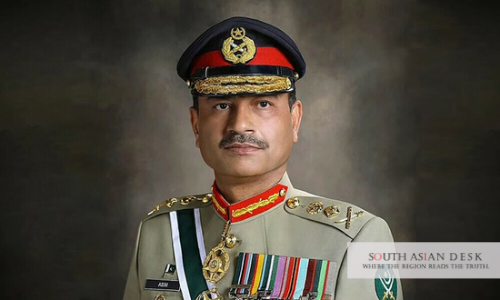
The Asim Munir Tehran visit expected on Tuesday is the latest attempt by Islamabad to keep diplomacy alive between Washington and Tehran. Field Marshal Asim Munir, the Pakistan army chief, is due to travel to the Iranian capital, according to a Pakistani official and Iranian media cited by Reuters. Details of the agenda had not been made public in the initial reports.
Pakistan has been a central intermediary between the United States and Iran this year. The conflict began on February 28, when US and Israeli strikes on Iran triggered Iranian retaliation across the region. Islamabad stepped forward as a mediator in March and, in April, hosted the first direct talks between the two adversaries in decades. Since then, Pakistan mediation efforts have continued through visits, telephone contacts and high-level meetings, with Field Marshal Munir and Prime Minister Shehbaz Sharif playing leading roles.
Why the Asim Munir Tehran Visit Matters
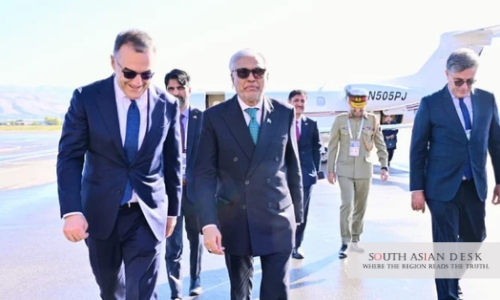
The visit follows earlier engagements between the Pakistan army chief and Iranian leaders during the summer. After a day-long trip to Tehran in August, the Inter-Services Public Relations, the military’s media wing, said the discussions had focused on preventing further escalation, reopening the Strait of Hormuz and bringing the conflict to a swifter end. Interior Minister Mohsin Naqvi accompanied the Field Marshal, and the delegation met President Masoud Pezeshkian and other senior Iranian officials. According to the military statement, Iranian leaders appreciated Pakistan’s constructive role.
The timing is significant. Negotiations between Washington and Tehran have stalled, and Pakistani officials have repeatedly maintained that dialogue is the only route to ending the war. Hence, a fresh visit at this level signals that Islamabad has no intention of stepping back from its role.
The Islamabad Memorandum and the Stalled US-Iran Talks
The most notable product of Pakistan mediation efforts so far is the Islamabad Memorandum of Understanding, an interim framework signed in June. The agreement opened a 60-day window for negotiations on a final settlement. Follow-up talks began on June 21 at the Burgenstock resort in Switzerland, where US and Iranian delegations met alongside mediators from Pakistan and Qatar. According to the Swiss foreign ministry, the American side was led by Vice President JD Vance and the Iranian side by Parliament Speaker Mohammad Bagher Ghalibaf.
The negotiating window, however, lapsed in mid-August without either side agreeing to extend it. The US-Iran talks have since remained deadlocked over the Strait of Hormuz and the terms of a wider settlement, according to Arab News reporting this month. In this regard, Tehran has said that Washington must honour the Pakistan-brokered agreement before it can expect flexibility from Iran.
The Strait of Hormuz Remains the Central Dispute
The Strait of Hormuz, a narrow waterway between Iran and Oman, carried roughly one-fifth of global oil supplies in peacetime. Its disruption since the war began has affected shipping and energy markets well beyond the Middle East. Iran has linked the question of reopening to broader issues, including sanctions and the United States naval blockade, according to Pakistani press reports. Oman has also held separate talks with Tehran on maritime access, a parallel track that runs alongside the diplomacy led by Islamabad.
Regional Pressures Raise the Stakes
The visit comes as wider tensions intensify. Houthi attacks on Saudi Arabia’s civilian and energy infrastructure have escalated in recent weeks, raising fears of a broader regional confrontation, according to Arab News. Iranian state media had also reported that Iranian and Pakistani officials were expected to hold consultations on the sidelines of the Islamic foreign ministers’ meeting in Baghdad on October 17 and 18.
On Monday, Mr Naqvi told the Global Security Forum in Doha that Pakistan had never abandoned its peace efforts and had worked to keep channels open despite repeated setbacks.
What to Watch Next
The central question is whether the Tehran trip can revive direct or indirect US-Iran talks. Pakistan’s role has not been free of scrutiny. A Tehran-based analyst argued in August that repeated setbacks had reduced Pakistan from a mediator capable of resolving the conflict to a facilitator with access to both parties. Even so, Iran’s Foreign Ministry spokesman has reaffirmed that Pakistan remains the mediator in the process, with Qatar offering assistance if required.
The outcome of the Asim Munir Tehran visit will therefore be closely watched in Washington, Tehran and the Gulf capitals. Any movement on the Strait of Hormuz or on the extension of the Islamabad framework would mark the first meaningful progress in the negotiations since the summer.
Follow SouthAsianDesk on X, Instagram and Facebook for insights on business and current affairs from across South Asia.