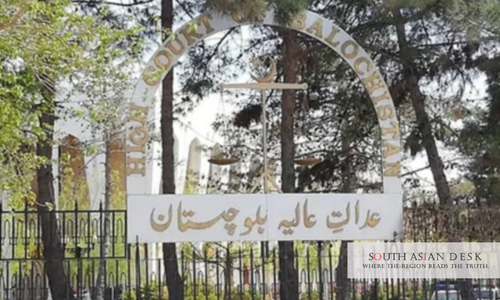
Afghan students in Quetta have received temporary relief after the Balochistan High Court allowed 16 Afghan medical students to continue their education until November 24, 2026. The ruling provides the students with interim legal protection while their case remains pending, giving them a temporary opportunity to resume their academic activities as the court considers the dispute.
According to the lawyer representing the students, Sayed Nazir Ahmad Agha, the court has permitted the 16 students to continue their studies until November 24. The next hearing is scheduled for November 25, when the matter is expected to return before the court. The order is an interim measure and does not constitute a final decision on the students’ legal status or their right to remain in Pakistan.
The ruling comes amid growing uncertainty surrounding the education of Afghan medical students enrolled in Pakistani institutions. Students have been seeking permission to complete their degree programmes, alongside extensions of their visas, after directives issued by the Pakistan Medical and Dental Council (PMDC) raised the prospect of their studies being interrupted.
Balochistan High Court Provides Temporary Relief to Afghan Students in Quetta
The latest decision by the Balochistan High Court offers temporary protection to the 16 students, whose ability to continue their medical education had been affected by the ongoing dispute. Their lawyer, Agha, said that the legal proceedings were aimed at ensuring Afghan students in Pakistan were treated in accordance with the country’s laws and that their concerns received proper consideration.
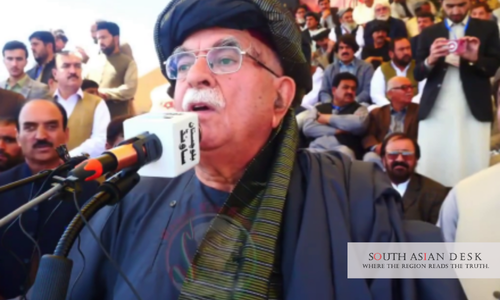
Speaking to TOLOnews, Agha said that efforts were continuing to ensure that Afghan students could have their voices heard across Pakistan. He also expressed solidarity with the Afghan community and reiterated his commitment to representing the students.
The temporary permission is significant for students pursuing demanding medical programmes, where interruptions can affect academic progress, examinations and the completion of professional training. However, the protection granted by the court currently extends only to the period specified in its order. The outcome of the next hearing will therefore be important in determining whether the students receive any further relief.
The case also reflects the difficulties Afghan students have faced in maintaining their educational arrangements in Pakistan. In addition to concerns about continuing their studies, some students have called for clarity regarding their immigration status and the possibility of extending their student visas.
Afghan Medical Students in Pakistan Seek Visa Extensions and Continuity of Education
The legal proceedings in Balochistan form part of a wider dispute affecting Afghan medical students across Pakistan. Several students have appealed for permission to complete their education rather than being required to leave before finishing their programmes.
Ali Hemmat, an Afghan student in Pakistan, said that Afghan doctors were still facing restrictions on reporting to their workplaces. He added that a case had been filed in court but had not yet been heard. His comments point to concerns extending beyond undergraduate medical education, particularly for Afghan graduates and doctors seeking to continue their professional work in Pakistan.
Sediq Shariati, head of the Afghan Students’ Union in Pakistan, has urged both countries to find a lasting solution to the difficulties facing Afghan students. He said that students should be able to continue their education in Pakistan without the uncertainty surrounding their status disrupting their academic and professional futures.
The calls for a permanent arrangement highlight the limitations of temporary court orders. While interim relief can prevent an immediate interruption to education, it does not necessarily resolve questions relating to visas, professional registration, institutional enrolment or the authority under which students may continue their programmes.
PMDC Directives and the Legal Challenges by Afghan Students
The dispute intensified after the process of repatriating Afghan medical students was initiated following a PMDC decision dated July 31, 2026. The council’s subsequent directive of September 1 instructed Afghan medical students enrolled in Pakistani institutions to return to Afghanistan and restricted colleges from admitting or placing Afghan students during the current academic session. The measures prompted affected students to approach the courts, arguing that the directives threatened their ability to complete programmes they had already begun.
The Lahore High Court granted interim relief to 13 Afghan medical students in September, suspending the operation of the PMDC directives in relation to the petitioners and allowing them to continue their education, sit examinations and return to their hostels. The Sindh High Court also suspended the directives in a case involving Afghan students, while the Peshawar High Court granted relief to students and trainee doctors in separate proceedings.
These cases demonstrate that the issue is not confined to Quetta. Afghan students in different provinces have sought judicial protection against interruptions to their education and training. The courts’ interim orders have provided relief to particular groups of petitioners, but they should not be understood as a single nationwide ruling covering every Afghan student enrolled in Pakistan.
A Permanent Solution Remains Necessary
The Balochistan High Court’s order gives the 16 Afghan medical students in Quetta a limited period in which to continue their studies while their case proceeds. However, the uncertainty surrounding their longer-term position remains unresolved. The next hearing, scheduled for November 25, will be an important stage in the proceedings, although the court’s eventual decision cannot be assumed in advance.
For Afghan students already enrolled in Pakistani medical institutions, the central concern is the ability to complete their education without sudden administrative or immigration-related interruptions. A durable resolution would require clarity on the status of existing students, the extension of relevant visas and the treatment of those who have progressed through several years of medical training.
The latest ruling is therefore a temporary reprieve rather than a final settlement. As similar cases continue to emerge in different provinces, the decisions of the courts and the response of the relevant authorities will shape whether Afghan medical students can complete their studies and professional training in Pakistan.
Follow SouthAsianDesk on X, Instagram and Facebook for insights on business and current affairs from across South Asia.