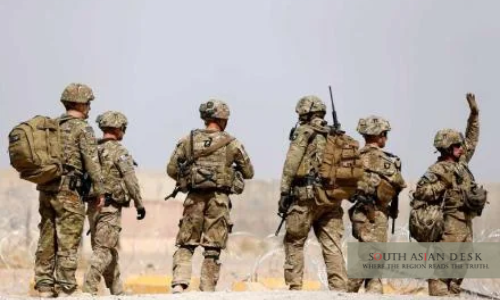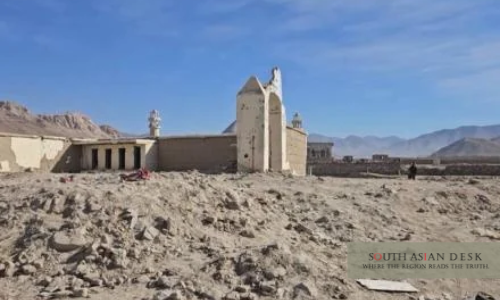
Australian forces in Uruzgan are at the centre of renewed demands for accountability from residents who say they lost relatives during two decades of war. Families in the central Afghan province are calling on international courts and human rights organisations to investigate the deaths, punish those responsible and provide compensation, according to a report by Tolo News. The accounts remain allegations, and the report did not carry a response from Australian authorities.
Residents Describe Losses in Their Own Words
Sediqullah, a 67-year-old resident of Qala Ragh village in Chora district, said Australian troops raided his home at night in 2009 and killed six members of his family, including women and children. He said he would never forget pulling their bodies from the rubble. Another resident, Abdullah, described two separate incidents, including a bombing in which he said his brother and his brother’s wife were killed. A third, Sayed Wali, spoke of collecting the remains of relatives within an hour of seeing them alive.
The testimonies are those of individual survivors and have not been independently verified in the report. Taken together, however, they reflect a broader sense among local people that the incidents were never properly examined and that those affected were never acknowledged.
Local Officials Allege Wider Harm Across the Province
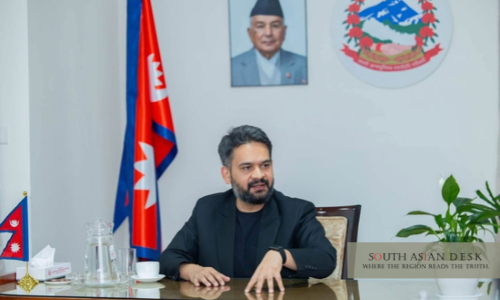
Local authorities have gone further, alleging that Australian forces targeted civilians in the provincial capital, Tarinkot, and in several districts, leaving hundreds of families bereaved. Bilal Rozgani, spokesperson for the Uruzgan Police Command, said serious atrocities were committed by foreign forces in six districts of the province. He expressed hope that international courts would prosecute those responsible and compensate the affected families.
Officials also claim that a major attack in the Kakrak area of Tarinkot in 2009 killed 60 civilians and injured another 135. That figure comes from local officials and could not be confirmed against the independent reports reviewed for this article, so it should be treated as a claim rather than an established fact.
What Australian Inquiries Have Established
The most authoritative account to date is the Brereton Report, an Australian military inquiry released in November 2020. It examined the conduct of Australian special forces between 2005 and 2016 and found credible information of unlawful killings of 39 Afghan nationals across 23 incidents. The report also described practices in which weapons or equipment were planted beside bodies to make killings appear lawful, and it recommended that cases be referred for criminal investigation.
Some of the cases examined in that inquiry arose in Uruzgan. Former special forces soldier Oliver Schulz was charged in 2023 with murder over the alleged killing of an elderly Afghan man in the province in 2012. Human Rights Watch reported in April 2026 that Ben Roberts-Smith had also been arrested, and a later report said he faces five counts of war-crime murder. Both men are entitled to the presumption of innocence, and the charges have not been tested at trial.
Australian Forces in Uruzgan: The Compensation Scheme and Its Limits
The Brereton Report recommended that Australia compensate victims and their families without waiting for criminal liability to be established. Australia announced a compensation scheme in 2024, yet reporting from October 2026, based on documents released under freedom of information laws, indicates that no payments had been made. Of 105 claims lodged, 45 had been rejected as of late June, according to The Saturday Paper.
The scheme covers only incidents substantiated by the Brereton Report, which excludes many people who say they were harmed. One example is Ghulam Jilani, who said he lost an eye and was shot several times in a 2006 raid in Uruzgan. Reports say the Australian government has not disputed his account, but his claim was rejected because the incident was not in the report. Lawyers for victims describe the process as slow and opaque.
Calls for Independent Scrutiny
Against this backdrop, the demands made by residents are consistent with what rights groups have long urged, namely wider investigation, transparent criteria and prompt redress. The families in Uruzgan are asking for something broader than the existing framework allows, since they want inquiries that look beyond the cases already identified by Australian investigators.
Whether Australia or any international body will respond remains unclear. For now, the families who spoke to Tolo News are left waiting, and their appeals underline how far the process of accountability for Australian forces in Uruzgan remains from resolution.
Follow SouthAsianDesk on X, Instagram and Facebook for insights on business and current affairs from across South Asia.
Read More: