The Delhi special provisions law, which shields a wide range of unauthorised construction in the capital from sealing and demolition, is reportedly headed for yet another extension as its current validity runs out on December 31, 2026. The Hindustan Times reported on October 30 that a further extension is on the cards, which would continue a pattern that has defined the city’s approach to illegal building for two decades.
How the protection began
The law has its origins in 2006, when the Municipal Corporation of Delhi began a sealing drive against unauthorised constructions following orders from the Delhi High Court and the Supreme Court. The drive triggered protests, particularly from shopkeepers, and the Centre responded by notifying the Delhi Laws (Special Provisions) Act, 2006, in May of that year. It suspended action against structures that violated sanctioned plans for one year.
Parliament extended that protection in annual instalments until 2011, when the National Capital Territory of Delhi Laws (Special Provisions) Second Act was enacted. It was first valid until December 31, 2014, and has since been renewed repeatedly. A 2017 bill extended it for three years from January 2018, an amendment in 2021 carried it to the end of 2023, and the 2023 amendment, passed by both Houses in December of that year, moved the deadline to December 31, 2026.
What the Delhi special provisions law covers
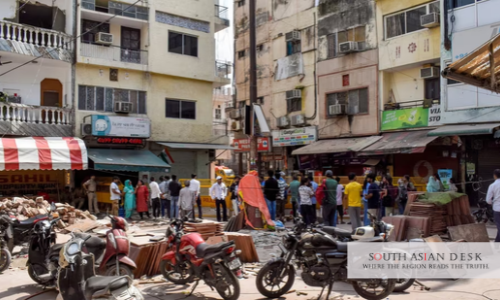
The Act protects specified categories from punitive action, including slum dwellers, hawkers, unauthorised colonies, schools, religious and cultural institutions and agricultural godowns. Reports on the 2023 amendment said it covers unauthorised constructions that existed up to June 1, 2014. The Act also allows the Central Government to withdraw the exemption by notification before the deadline.
The scale involved is considerable. The Tribune reported during the 2023 debate that about 40 lakh people live in the city’s unauthorised colonies. Housing and Urban Affairs Minister Hardeep Singh Puri told Parliament at the time that without an extension, vulnerable residents would face sealing, demolition and displacement.
Why successive governments keep extending it
The government’s stated rationale has stayed consistent. The statement of objects accompanying the 2023 bill said rapid growth in Delhi had widened the gap between demand and supply of housing, commercial space and civic amenities, leading to encroachment, slums and unauthorised construction. Protection from punitive action was needed, it said, while norms, policy guidelines and arrangements for rehabilitation were finalised.
A central element of that plan was the Master Plan Delhi-2041, which is meant to set out how unauthorised colonies, slum clusters and similar settlements will be treated. During the 2023 debate, officials described the draft as being in its final stages. This article could not independently confirm the plan’s current status from the sources available, so readers should consult official notifications for the latest position.
Questions over enforcement and accountability
Critics argue that repeated renewal has left the underlying problem unresolved. One independent analysis published this year counted a dozen missed deadlines since 2006 and suggested that the same outcome was likely in 2026. It also argued that the uncertainty places property buyers at risk and discourages redevelopment of ageing buildings.
The issue has regained urgency after a fatal building collapse in the Satya Niketan area of Delhi earlier this autumn. According to Oneindia, Chief Minister Rekha Gupta subsequently announced action against illegal fifth floors, and the same report noted that decades of regularisation laws complicate enforcement. Separate coverage by Dynamite News said the planned crackdown had run into legal obstacles, while experts raised concerns about the removal of stricter punishment provisions for illegal construction.
What to watch next
Any extension would require Parliament to pass an amending bill before the end of December, as it has done in previous cycles. The key questions are how long the new period would run, whether it comes with firmer commitments on the Master Plan and verification of colonies, and how the government reconciles continued protection with public concern about building safety. For residents of the capital’s unauthorised colonies, the outcome will decide whether the threat of sealing and demolition stays suspended for another term.
Follow SouthAsianDesk on X, Instagram and Facebook for insights on business and current affairs from across South Asia.
Read More: