The India energy drink crackdown is pushing ahead despite strong pushback from some of the world’s biggest beverage companies. India’s food safety regulator has ordered makers of high-caffeine drinks to stop calling their products “energy drinks,” a move that could reshape how these beverages are marketed in one of the fastest-growing markets in the world.
According to documents and sources familiar with the matter, the Food Safety and Standards Authority of India (FSSAI) has told companies including Pepsi, Red Bull, Monster Beverage, Mukesh Ambani’s Reliance, and Hell Energy to drop the term “energy drink” or any similar description from their products. The regulator has given the industry 90 days to comply.
Why FSSAI Regulations Are Targeting the “Energy Drink” Label
FSSAI first flagged the issue publicly in early July, stating on social media that there are no official Indian standards defining what qualifies as an “energy drink.” The regulator also said that common marketing claims, such as a beverage being able to “vitalise body and mind” or “aid in general weakness,” are misleading to consumers.
Behind closed doors, the message from FSSAI was reportedly firmer than its public statements suggested. At a private meeting with senior industry executives, FSSAI Chief Executive Rajit Punhani rejected arguments about the potential business impact of the labelling change, telling companies they were free to challenge the decision in court if they disagreed. Neither FSSAI nor Punhani responded to requests for comment, and Pepsi declined to comment while the other companies did not respond either.
An Indian government source said the industry eventually agreed to comply with the labelling change following the discussion, even as some companies continued to raise concerns through formal channels.
Pepsi, Red Bull, and Monster Push Back Against the Ruling
The dispute has created a standoff between regulators and manufacturers. Companies fear that removing the “energy drink” category label could weaken brands that were built almost entirely around the promise of instant energy, potentially disrupting sales in a market where that positioning has driven rapid growth.
The Indian Beverage Association, which represents major manufacturers, said it remained committed to complying with regulations and engaging constructively with regulators on science-based policy. However, in a confidential letter sent to FSSAI on July 6, the association argued that publicly disclosing preliminary notices could damage company reputations, disrupt business operations, and confuse consumers. It called instead for a “risk-based enforcement approach” and urged regular stakeholder consultations before any major interpretational changes are implemented, arguing that this would ease compliance and reduce litigation.
A Market Built on Instant-Energy Marketing
The energy drink label has long been central to how these products are sold in India. Red Bull’s global “Gives You Wiiings” slogan is well known, while Pepsi’s Sting energy drink is advertised in India through commercials that depict lightning coursing through a person’s body to deliver “electrifying energy.”
India’s energy drink market took off after Pepsi launched Sting in 2017. Its 20-rupee plastic bottles became especially popular among teenagers aged 15 to 19 and consumers in rural areas, helping the brand become a market leader, according to Euromonitor data. Retail sales in the category are projected to reach $1.6 billion by 2028, growing at roughly 12.6% annually, a pace faster than markets like the United States and China. Sales volumes nearly doubled every year between 2018 and 2023, per Euromonitor.
For many everyday consumers, these drinks have become part of daily routines. Sunny Rajvansi, a 24-year-old bike mechanic in Uttar Pradesh, said he regularly buys Sting or Reliance’s Campa Energy whenever he feels hungry or takes a smoke break, describing the drinks as something that fills his stomach and gives him strength to keep working.
Enforcement Is Already Underway
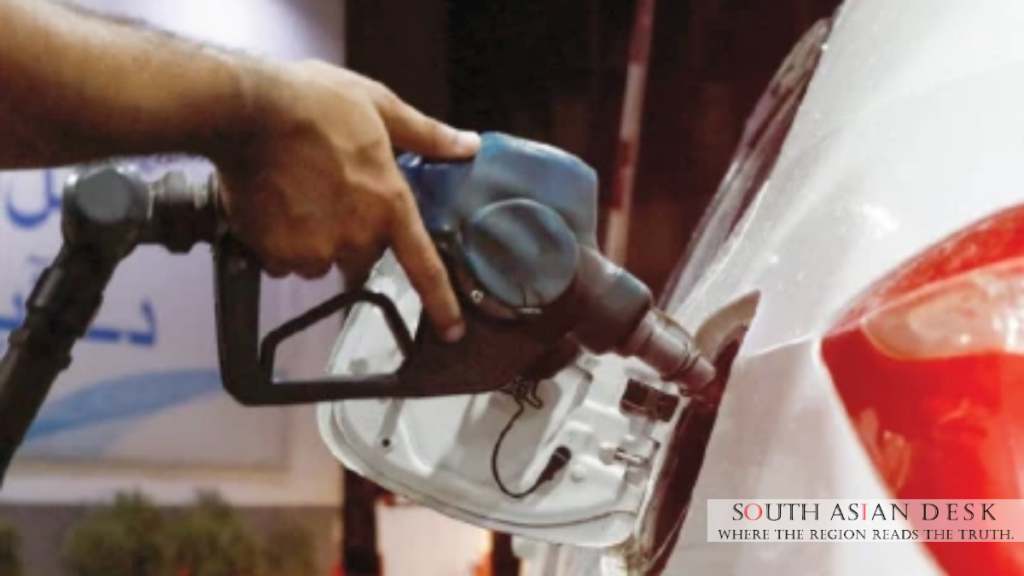
FSSAI’s stance is already translating into on-the-ground action. This month, authorities in Rajasthan seized thousands of units of Sting, Campa Energy, and Red Bull as part of a broader state enforcement drive, according to posts shared on the government’s social media accounts.
On July 8, Rajasthan also directed major e-commerce platforms, including Amazon, Walmart-owned Flipkart, Eternal’s Blinkit, and Swiggy Instamart, to ensure that no product listed on their platforms was promoted as an “energy drink.” None of the e-commerce companies responded to requests for comment.
How India Compares Globally on Energy Drink Rules
India is not alone in scrutinising high-caffeine beverages. Regulators in several countries have raised concerns over the sugar, caffeine, and taurine content typically found in energy drinks. In England, high-caffeine energy drinks will be banned for sale to under-16s starting next April. Some regions in Pakistan already require these products to be labelled as “stimulant drinks” rather than energy drinks.
The India energy drink crackdown reflects a broader global shift toward tighter labelling and marketing standards for high-caffeine beverages, even as manufacturers continue to argue that clearer, more predictable regulatory processes would serve both consumers and the industry better. With the 90-day compliance window now running, the coming months should show whether Pepsi, Red Bull, Monster, and other major players adjust their branding voluntarily or pursue legal challenges instea
Published in SouthAsianDesk, July 28th, 2026
Follow SouthAsianDesk on X, Instagram and Facebook for insights on business and current affairs from across South Asia.