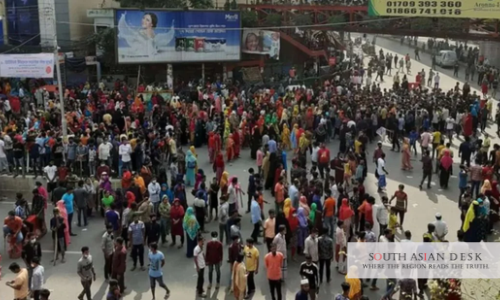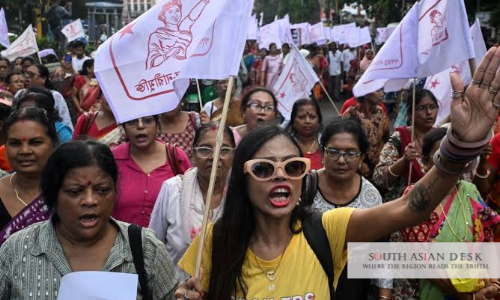
An opposition march in Delhi took place under tight security on Sunday, as parties of the INDIA bloc led thousands of supporters to demand the resignation of Chief Election Commissioner Gyanesh Kumar. Reuters reported that security personnel carrying batons and shields, accompanied by riot control vehicles, surrounded the venue of the planned protest, while authorities warned of traffic diversions across the capital.
Security ring around Ramlila Maidan
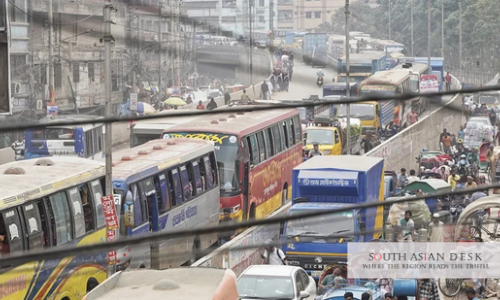
The march, billed as a “Save Democracy” rally, covered a distance of nearly 1.5 kilometres from Central Delhi to Ramlila Maidan, the ground designated for the protest. Delhi Traffic Police said a large gathering was expected and that regulations and diversions would be applied as required. Footage from the news agency ANI showed dozens of officers with batons and shields outside the venue, where announcements urged people to keep traffic moving and cooperate with the police.
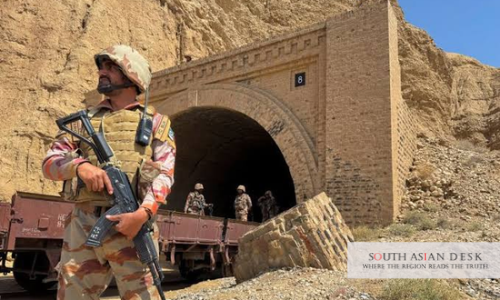
The scale of the deployment grew in the days before the event. Delhi Police initially planned around 3,500 personnel and said it had installed 250 CCTV cameras and deployed Central Armed Police Forces, according to reports in The Week and the Press Trust of India. By Sunday, The Week reported more than 4,000 officers along the route and at the venue, within a wider deployment of nearly 10,000 police and paramilitary personnel across Central Delhi, supported by multi-layered barricades and drone surveillance. Police had issued permission for the rally at Ramlila Maidan, though local reports said formal approval for a foot march by Rahul Gandhi had been withheld.
Competing estimates of the crowd
Opposition leaders said they expected up to one million people, while Delhi Police estimated attendance at around 50,000 and said the ground can hold roughly that number. Reuters, AsiaOne and The Wire all described large crowds, with leaders travelling in open-top vehicles through police barricades and cadres from the Congress, the Samajwadi Party and the Left parties lining the route.
Addressing the rally, Gandhi said the removal of the election chief would be the first step in bringing the country “back on the right track,” according to AsiaOne. He also made sharper accusations against the Election Commission, which the commission and the ruling Bharatiya Janata Party (BJP) reject.
Why the voter list revision is so contentious
The protests centre on the Special Intensive Revision of electoral rolls, a house-to-house exercise that the Election Commission launched in Bihar in June 2025 and has since extended to most states and federally administered territories. The commission says its purpose is to remove duplicate and ineligible entries while keeping eligible voters registered, and it has stressed that being left off a draft roll does not amount to permanent deletion. On 1 October it directed officials to identify omitted voters and ease re-enrolment, Reuters reported.
Critics are not persuaded. Opposition parties say the voter list revision has disproportionately affected their own supporters, and the Associated Press has reported that it has removed more than 130 million people from the rolls. Election Commission data indicates that lists in some areas could shrink by as much as 30 per cent, and critics argue that the documents required to prove eligibility are confusing and hard for many citizens to produce. The commission and the government deny any wrongdoing, and the BJP has accused its rivals of undermining democracy by wrongly questioning legitimate electoral processes.
Opposition March in Delhi: A movement that has widened
The Ramlila Maidan rally followed weeks of near-daily protests by opposition parties, student organisations and the youth-led Cockroach Janta Party, a movement that began as an online campaign in May. Gandhi was briefly detained at a protest in New Delhi earlier in October, according to the Associated Press, and protests have spread to other cities including Mumbai and Bengaluru.
Analysts quoted by Reuters describe the youth protests and the opposition’s growing support as the most serious challenge to Prime Minister Narendra Modi since he took office in 2014. They add, however, that his government remains stable and that the next general election is not due until 2029. For now, the outcome of the dispute is likely to be shaped less by the size of Sunday’s crowd than by how the Election Commission and the courts respond to the questions raised about the electoral rolls.
Follow SouthAsianDesk on X, Instagram and Facebook for insights on business and current affairs from across South Asia.