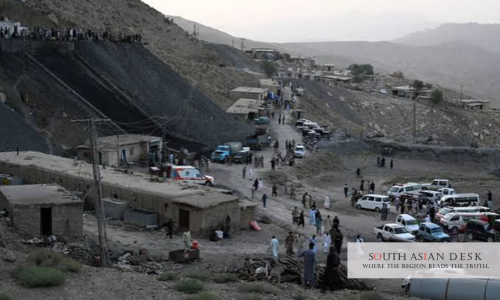
A Pakistan coal mine explosion has killed at least 32 miners in the southwestern province of Balochistan, with rescue teams warning that the chances of finding further survivors are fading fast. The blast struck a coal mine in Sorange, a remote mining town near the provincial capital Quetta, late Thursday, trapping dozens of workers underground and triggering an overnight search-and-rescue operation.
What Happened in the Sorange Mine Collapse
According to officials from the Provincial Disaster Management Authority, the explosion was most likely caused by a buildup of methane gas, a hazard that is common in poorly ventilated underground coal mines. The blast was powerful enough to damage two neighbouring mines in the Sorange area, according to Abdul Ghani Baloch, a senior government mining official in the region.
By early Friday morning, rescue crews had recovered 29 bodies from the site, with three more located inside the mine but not yet retrieved. Muhammad Atif, the chief inspector of mines in Balochistan, said 36 miners were believed to have been working underground at the time of the explosion. More than twelve hours after the incident, emergency responders were still combing through the wreckage, though officials admitted that the odds of finding anyone alive were extremely low.
Why the Pakistan Coal Mine Explosion Keeps Happening
This latest Pakistan coal mine explosion is far from an isolated tragedy. Accidents are disturbingly routine in the country’s coal mining industry, and Balochistan bears the brunt of them. Many mines in the province operate without adequate ventilation systems, gas monitoring equipment, or other basic safety infrastructure that would normally be required to detect and manage dangerous methane buildups before they ignite.
Labour groups and mineworkers have repeatedly accused mine owners of ignoring safety regulations and failing to supply workers with proper protective equipment. These warnings have done little to change conditions on the ground, and disasters like the one in Sorange continue to recur with grim regularity.
The Human Cost of Balochistan Coal Mining
Despite the constant danger and comparatively low wages, thousands of families across Balochistan rely on coal mining for their livelihood. The province is Pakistan’s largest by land area but also its least developed, struggling with widespread unemployment and poverty. For many workers, going down into unsafe mines is not a choice but a necessity, since alternative sources of income remain scarce.
This dependence helps explain why, despite years of accidents, calls for reform, and public outrage after each disaster, the underlying safety problems in Balochistan’s mining sector remain largely unresolved. Until mine owners are held to stricter enforcement of safety standards, incidents like the Sorange mine collapse are likely to keep happening.
What Comes Next
Rescue operations at the site were still ongoing as of Friday, with disaster management officials focused on recovering the remaining bodies rather than searching for survivors. As details continue to emerge, the explosion is expected to renew scrutiny of mine safety practices across Balochistan and put fresh pressure on provincial authorities to enforce existing regulations more strictly.
For now, the tragedy in Sorange stands as another grim reminder of how dangerous coal mining remains in this part of Pakistan, and how little has changed to protect the workers who keep the industry running.
Published in SouthAsianDesk, July 31st, 2026
Follow SouthAsianDesk on X, Instagram and Facebook for insights on business and current affairs from across South Asia.