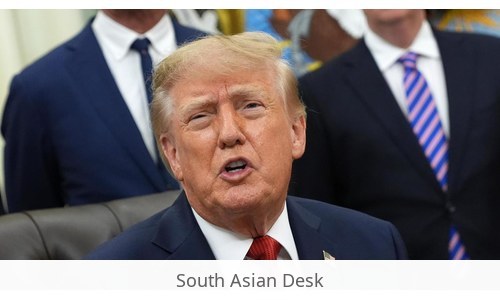
Russia sanctions bill: President Donald Trump signed the ‘Lindsey O. Graham Sanctioning Russia and Iran Act of 2026’ on September 19, 2026, authorizing up to 100% tariffs on major buyers of Russian oil, including India and China. The legislation, named after Senator Lindsey Graham, is part of a broader U.S. foreign policy strategy to respond to the ongoing Ukraine conflict by pressuring energy markets reliant on Russian crude. This move aligns with Trump energy policy, which has emphasized economic leverage in global energy dynamics.
Russia Sanctions Bill: Economic Impact on India
The new tariffs could disrupt India’s energy import strategy, which has increasingly relied on Russian oil to meet domestic demand and offset rising costs from Western sanctions. According to The Hindu, India imported approximately 15% of its crude oil from Russia in 2025, with tariffs potentially increasing energy costs by up to 30% for refineries. This may force New Delhi to accelerate diversification efforts, including expanding purchases from the Middle East and investing in domestic oil production. The South Asia energy market, already sensitive to geopolitical shifts, faces a critical juncture as India balances economic needs with strategic autonomy.
Economic Impact on China
China, the world’s largest importer of Russian oil, faces similar challenges. NDTV reports that Beijing has sought to balance its energy needs with geopolitical risks, but the 100% tariffs India China threshold could reduce Russian oil imports by 15-20% in 2027. Analysts suggest China may pivot to OPEC nations or increase LNG imports from Australia and the U.S., though this would require significant infrastructure upgrades. The 100% tariffs India China provision in the Russia sanctions bill underscores the U.S. intent to reshape global energy flows through targeted economic pressure.
Geopolitical Ramifications
The sanctions mark a shift in U.S. foreign policy, aiming to isolate Russia economically while signaling to South Asian partners the consequences of energy dependency. Al Jazeera notes that India and China have not yet publicly condemned the tariffs, though both have expressed concerns over U.S. unilateralism in global energy markets. The move could strain U.S.-India and U.S.-China relations, particularly as both nations seek to maintain strategic autonomy in energy sourcing. This aligns with broader U.S. foreign policy goals of reducing reliance on Russian energy in South Asia.
Long-Term Implications for South Asia
The Russia sanctions bill’s impact extends beyond immediate economic adjustments. For India, the push to diversify energy sources could accelerate investments in renewable energy and nuclear power, aligning with its climate commitments. However, this transition may take years, leaving the South Asia energy market vulnerable to price volatility. Meanwhile, China’s pivot to alternative suppliers could reshape global energy trade routes, potentially increasing demand for U.S. LNG exports. These shifts reflect the broader geopolitical realignment driven by the U.S. foreign policy agenda.
Regional Responses and Diplomatic Tensions
India and China have been cautious in their public responses, emphasizing the need for multilateral solutions to energy security. However, the Russia sanctions bill has sparked internal debates in both countries about the risks of over-reliance on Russian oil. In India, policymakers are weighing the economic costs of higher energy prices against the strategic benefits of reducing Russian influence. Similarly, China’s state media has highlighted the importance of maintaining stable energy supplies while navigating the complexities of the 100% tariffs India China threshold. These discussions underscore the delicate balance between economic interests and geopolitical strategy in South Asia.
Conclusion
The Russia sanctions bill represents a pivotal moment in U.S. foreign policy, with far-reaching consequences for global energy markets. By targeting major buyers of Russian oil, the legislation aims to weaken Russia’s economic position while encouraging energy diversification in South Asia. However, the long-term success of this strategy will depend on the ability of India and China to adapt to new energy realities without compromising their economic growth. As the South Asia energy market evolves, the interplay between U.S. foreign policy and regional energy dynamics will remain a critical factor in shaping the region’s future.
Published in SouthAsianDesk, September 19, 2026.
Follow SouthAsianDesk on X, Instagram and Facebook for insights on business and current affairs from across South Asia.
Sources
- Trump signs Russia sanctions bill into law – thehindu.com
- Trump signs sweeping Russia sanctions over Ukraine war – aljazeera.com
- Trump Signs Russia Sanctions Bill, Clears Way For 100% Tariffs On India, China – ndtv.com
Image: th-i.thgim.com