The Rabia Ahsan death investigation has reportedly reached its concluding stages, with police claiming to have completed their investigation into the fatal shooting of the television anchorperson at her residence in Rawalpindi. A senior police officer has clarified that any decision to withdraw the murder case rests exclusively with the trial court, following reports that the deceased’s brother intends to withdraw the complaint against her husband, Muhammad Ahsan, who remains the principal suspect in the case.
Speaking to Dawn on condition of anonymity, the senior officer maintained that the police had completed their investigation, arrested the accused and recovered the weapon allegedly used in the incident. He stressed that the police had no role in deciding whether a compromise between the complainant and the suspect could be accepted.
The clarification follows reports that Rabia Ahsan’s brother had decided to withdraw the murder case, claiming that her death resulted from an accidental shooting rather than an intentional killing. However, the police officer emphasised that the legal implications of any such development would have to be determined by the trial court.
The case has attracted attention because of the circumstances surrounding the anchorperson’s death, the allegations against her husband and the subsequent possibility of the complainant seeking withdrawal of the proceedings.
Rabia Ahsan Death Investigation: What Happened at the Rawalpindi Residence?
According to the initial police examination, Rabia Ahsan sustained a gunshot wound below her neck. Her body was discovered on the floor of her bedroom at the couple’s residence in Gulshan Abad, Rawalpindi.
Police stated that the gunshot had not been fired from close range, as no blackening marks were found around her neck. Investigators also reported that the pistol recovered from her husband was unlicensed, with the suspect unable to produce a valid licence for the weapon, which he had reportedly purchased from Hayatabad.
According to police accounts, the weapon was loaded when the suspect allegedly pointed it at his wife. The husband maintained that the shooting had occurred accidentally.
The couple had been married for 16 years and had two daughters. Their family circumstances have also formed part of the wider attention surrounding the incident.
The initial findings and the conflicting accounts of the shooting have made the investigation particularly significant. While the suspect has reportedly maintained that the discharge was accidental, the FIR registered by the deceased’s brother alleged that her husband had deliberately shot and killed her.
Murder Case Registered Under Section 302 of the Pakistan Penal Code
The murder case was registered late at night at the Sadar Bairooni police station under Section 302 of the Pakistan Penal Code (PPC), which deals with punishment for murder. The FIR also invoked Section 13-2(a) of the Punjab Arms Amendment Ordinance 2015 concerning the alleged possession of an illegal weapon.
The complainant, Khuram Ahmed, a resident of Islamabad’s G-7/3-4 sector and Rabia’s brother, nominated Muhammad Ahsan as the accused.
According to the FIR, Khuram was travelling to visit his sister at her residence in Gulshan Abad when another sister informed him about the incident. The sister, who lived at the residence with their mother, reportedly told him that she and their mother had been sitting on the lawn at approximately 2:30pm while Rabia and her husband were inside their bedroom.
They subsequently heard a gunshot and rushed towards the room. Upon entering, Rabia’s sister reportedly found her lying on the floor in a pool of blood, while her husband was standing nearby holding a pistol.
Khuram stated that he reached the residence after receiving an emergency call from his sister and found Rabia’s body in the bedroom. He alleged that Muhammad Ahsan had shot and killed her.
Police stated that the account provided by the deceased’s sister corroborated the complainant’s version of events and led to the registration of the murder FIR.
Senior Superintendent of Police (Investigation) Saifullah confirmed that the suspect had been arrested and that the weapon allegedly used in the incident had been seized.
Can Rabia Ahsan’s Murder Case Be Withdrawn?
One of the most significant developments in the case concerns reports that the deceased’s brother has decided to withdraw the murder complaint against her husband. The reported change in the complainant’s position has raised questions about the legal consequences of a possible compromise between the parties.
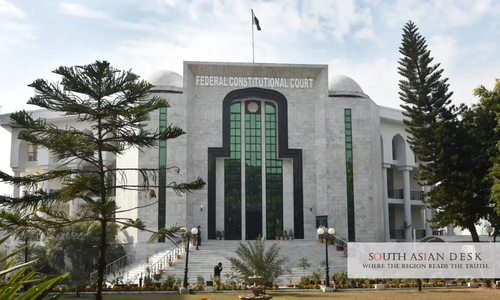
However, the senior police officer made it clear that the withdrawal of the case is not a matter that can be independently decided by the police. According to him, any compromise between the complainant and the accused would have to be placed before the trial court, which would determine whether it could legally be accepted.
This distinction is important under Pakistan’s criminal justice framework. Murder proceedings under Section 302 PPC involve legal questions that cannot simply be resolved through an informal agreement between the parties. The applicable provisions governing qisas and diyat, including the court’s role in determining the validity and legal effect of a compromise, remain relevant.
Consequently, a reported intention to withdraw the complaint does not, by itself, establish that the criminal proceedings have ended. Any application or compromise must be considered in accordance with the applicable law and judicial requirements.
The police officer’s statement therefore indicates that the matter remains subject to the trial court’s determination, should a formal request for withdrawal be submitted.
Police Investigation and Remaining Forensic Questions
Although police have claimed that their investigation has been completed, certain forensic aspects were still identified as part of the investigative process.
Police sources stated that the mobile phones belonging to the couple would also undergo forensic examination. Such an examination could assist investigators in establishing relevant communications and other digital evidence that may help clarify the circumstances surrounding the incident.
The recovery of the pistol and the initial examination of the deceased’s body have provided investigators with important physical evidence. However, the precise circumstances of the shooting, including the question of whether it was accidental or intentional, remain matters that must be assessed through the available evidence and judicial proceedings.
The accused had initially been granted one day of physical remand. SSP Saifullah stated that he would be produced before the court on Tuesday, where police intended to seek further physical remand for investigative purposes.
The outcome of the proceedings will depend on the evidence presented before the court and the legal assessment of the allegations.
A Wider Concern Over Violence Against Women in Pakistan
The death of Rabia Ahsan has once again drawn attention to concerns surrounding violence against women in Pakistan, particularly incidents occurring within domestic settings. Cases involving the alleged use of firearms against women highlight the importance of effective investigations, accountability and access to justice for victims and their families.
The circumstances surrounding this case also demonstrate the importance of allowing judicial proceedings to take their course, particularly when the allegations involve the death of a woman and the possibility of a compromise between the complainant and the accused.
For now, police maintain that their investigation has been completed, while the question of any possible withdrawal remains within the jurisdiction of the trial court. The recovery of the weapon, the initial forensic findings and the accounts recorded during the investigation will remain relevant to the judicial determination of the case.
Ultimately, the reported willingness of the complainant to withdraw the murder case does not settle the question of criminal responsibility. That determination belongs to the court, which must consider the evidence and apply the relevant provisions of Pakistani law.\
Follow SouthAsianDesk on X, Instagram and Facebook for insights on business and current affairs from across South Asia.
Read More: